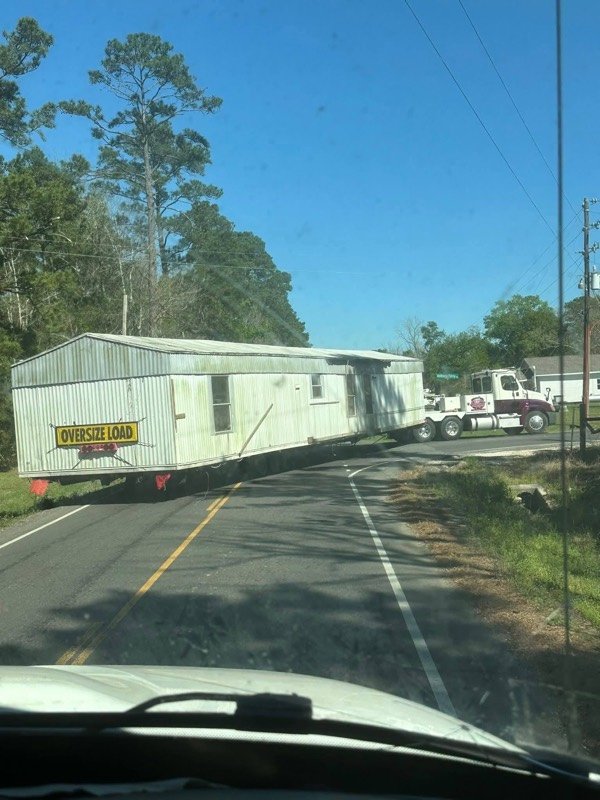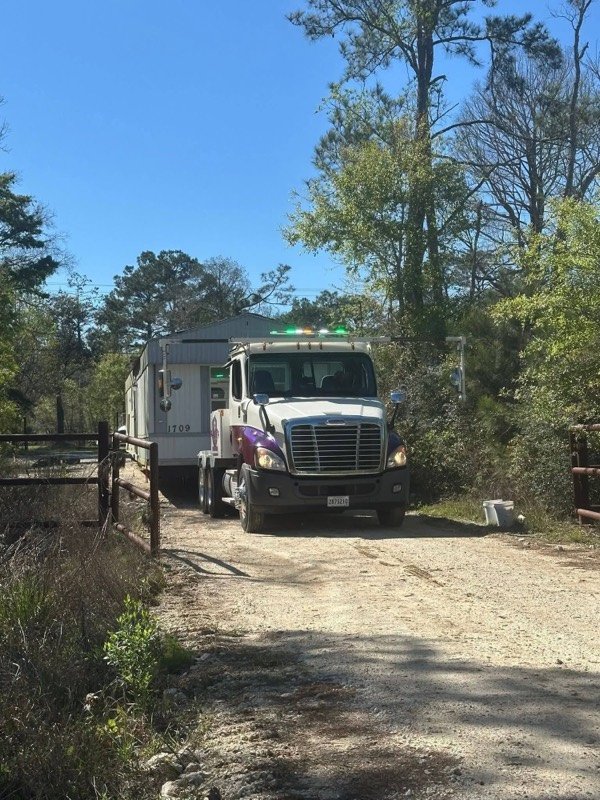
Mobile Home Movers in New York — Long Island to the Southern Tier
Upstate till, Hudson Valley clay and Long Island sand all behave differently under a set of piers. Our New York agents know which is which, and they pull the permits before the wheels ever turn.
New York is really several hauling states stacked together. Downstate you have New York City, Yonkers and the Long Island townships, where every mile gets negotiated around clearance and traffic. Head north and the job changes completely: the Mohawk Valley, the Adirondack foothills, the Finger Lakes and the Southern Tier, where mobile home parks sit at the end of long town roads. We move, set and tie down homes in all of it — Riverhead to Plattsburgh to Jamestown — with crews who live in the region they serve.
Local New York Crews, One National Company
You do not get a truck dispatched out of Ohio for a New York job. Green Mobile Home Transport keeps its own agents and crews inside the state, and they are split the way New York itself is split: downstate people who work truck-route networks, bridge clearances and borough restrictions every week, and upstate people who know which county highway departments post their roads in March and which town code officers want the installer certification in hand before the blocks go down. Our headquarters in Lucasville, Ohio carries the licensing, the insurance and the file. The crew on your lot is local, and there is one company answering for the whole move.
- Two permit systems — NYSDOT and the Thruway Authority both have to say yes; we file both.
- Parkways are out — downstate routing is built on legal truck routes and verified clearances.
- Thaw-season savvy — we track posted town and county roads so a move does not stall in April.
- Certified installation — setup, leveling and tie-downs done to the state installer standard.
- Snowbelt scheduling — Buffalo, Watertown and Tug Hill dates get booked with winter built in.
Hauling Across New York
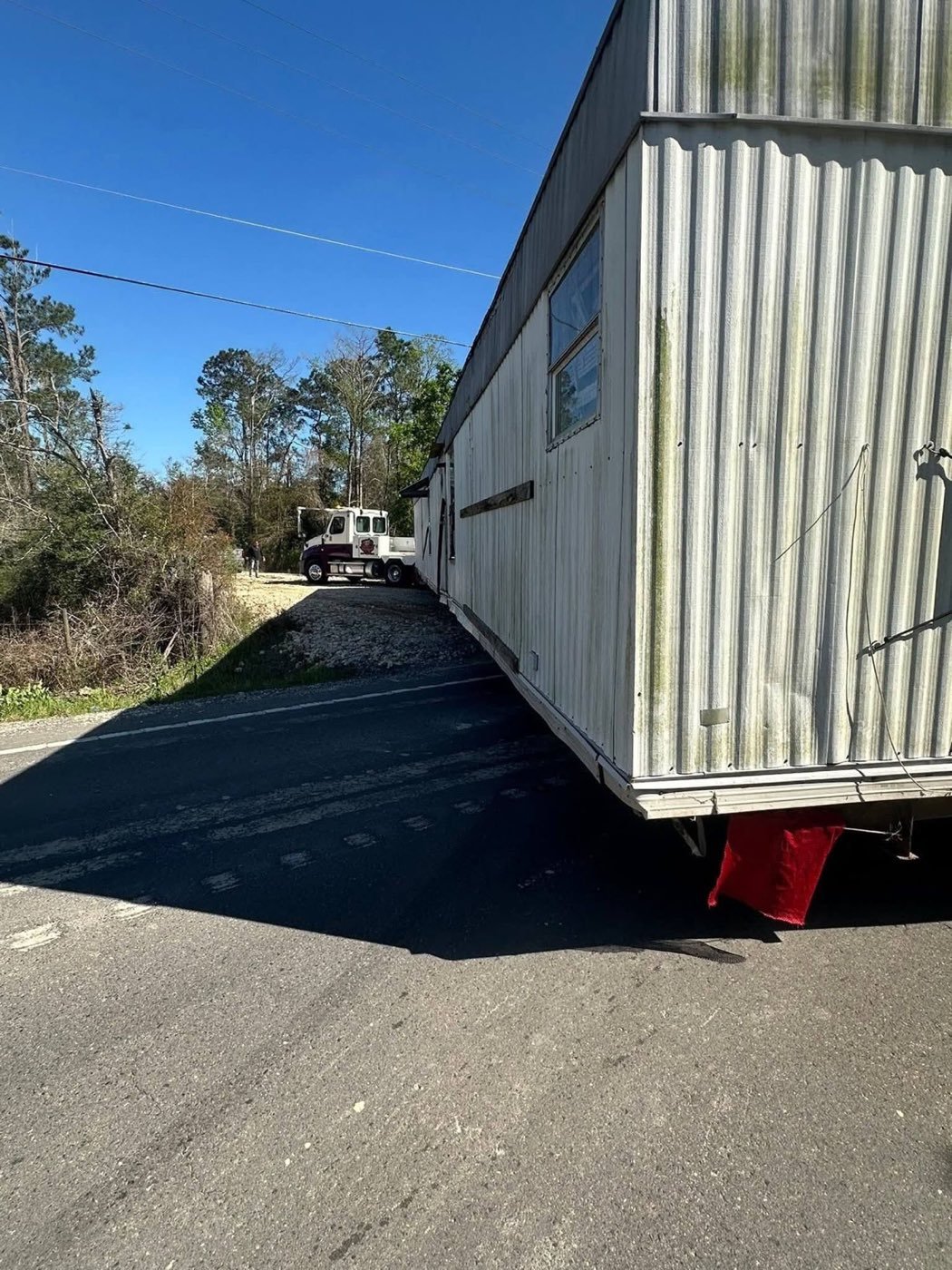
Almost every long New York haul touches the Thruway, I-90 from the Pennsylvania line through Buffalo, Rochester, Syracuse and Albany, then I-87 south toward the city. I-81 carries the north–south traffic from Watertown down through Binghamton. I-86 and old NY-17 are the Southern Tier spine, with grades and long climbs that punish an underpowered rig. Downstate the picture inverts: the parkway system is closed to commercial vehicles, several of those stone overpasses are famously low, and a wide load reaching Long Island is confined to I-495 and NY-27 with approved local streets at each end. Upstate, snowbelt roads and seasonal town-road postings decide the calendar.
Main corridors we run in NY: I-90 (NYS Thruway), I-87, I-81, I-86 / NY-17, I-390, I-495 (Long Island Expressway) and NY-27.
Cities & Towns We Cover in New York
We regularly move homes in and around New York City, Buffalo, Yonkers, Rochester, Syracuse and Albany — and everywhere in between. If your origin or destination sits anywhere in NY, we can plan a route to it.
- Mobile home moving in New York City, NY — Truck routes only in the five boroughs; the parkways are closed to commercial loads.
- Mobile home moving in Buffalo, NY — Lake-effect country — Erie County moves get booked around the snowbelt calendar.
- Mobile home moving in Yonkers, NY — Westchester lots run tight; access surveys happen before we quote a date.
- Mobile home moving in Rochester, NY — Genesee Valley parks off I-390; firm glacial till gives predictable pier bearing.
- Mobile home moving in Syracuse, NY — Where I-81 crosses the Thruway — a natural staging point for moves in any direction.
- Mobile home moving in Albany, NY — Capital District clay calls for wider footings and honest blocking, not shortcuts.
- Mobile home moving in Utica, NY — Mohawk Valley work; we watch spring thaw postings on the town roads closely.
- Mobile home moving in Binghamton, NY — Southern Tier hill country — steep park drives need winching and careful sequencing.
- Mobile home moving in Elmira, NY — Chemung Valley setups near the PA line, often paired with Pennsylvania permits.
- Mobile home moving in Watertown, NY — North Country frost runs deep; footings go well below the local frost line.
- Mobile home moving in Plattsburgh, NY — Champlain Valley lake clay and hard winters drive every anchoring decision here.
- Mobile home moving in Riverhead, NY — East End work via the LIE and NY-27; sandy soil drains fast but needs load spread.
New York Permits & Oversize-Load Compliance
Oversize and overweight moves on state highways run through the New York State Department of Transportation, which issues special hauling permits through its Central Permit Bureau in Albany and its regional offices. The New York State Thruway Authority permits its own system separately, so a move using I-90 or I-87 needs that authorization too. Inside the five boroughs, the New York City Department of Transportation handles city-street permitting, and MTA Bridges and Tunnels governs its crossings. Add route approval, escort requirements, curfew and travel-time windows, and holiday and winter blackout periods, and a New York move becomes a paperwork sequence. We build that sequence for you and we file it.
Permit handling is part of the job, not an extra. See what our permit assistance service covers before your NY move.
Setting, Leveling & Anchoring in New York
Most of New York sits in HUD Wind Zone I, but the coastal band — New York City and Long Island — falls into Wind Zone II, and the anchoring plan changes with it. Soil varies just as much. Long Island is sandy glacial outwash that drains fast and wants a wider bearing footprint. The Hudson and Champlain valleys hold soft lacustrine clays that will let a pier settle if you cheat the footing. Upstate till is generally firm but stony. Frost is the other constant: the North Country, Tug Hill and the Adirondacks freeze deep, so footings go below the local frost line the county code official enforces. Installations are certified by a certified installer under the state program.
When to Schedule Your New York Move
Late April through October is the working window across most of the state. Spring is the trap: the thaw brings posted weight limits on town and county roads well after the Interstates are clear, and a park drive that looks fine can turn to soup under a set of axles. Summer is clean everywhere except the Long Island and Hudson Valley traffic, which we schedule around. From December on, lake-effect snow west of Syracuse and North Country cold shorten the days and stretch the timelines. We book early and we tell you the truth about dates.
Complete Mobile Home Services in New York
A move isn't finished when the home reaches the lot. Across New York we deliver the full package, all in-house:
- Mobile Home Transport in New York — Safe and secure transport for single wide, double wide, and sectional homes.
- Setup & Installation in New York — We set, level, and secure your home the right way from start to finish.
- Permit Assistance in New York — We handle permits and paperwork so you don't have to.
- Leveling in New York — Proper leveling for safety, stability, and lasting peace of mind.
- Anchoring & Tie-Downs in New York — We anchor your home to meet state and local requirements.
New York Mobile Home Moving FAQs
The New York State Department of Transportation issues special hauling permits for state highways, through its Central Permit Bureau and regional offices. The New York State Thruway Authority permits its own roads separately, New York City handles city streets, and MTA Bridges and Tunnels governs its crossings. Most moves need more than one approval. We assemble and file the whole package as part of the job.
No. Commercial vehicles are prohibited on New York parkways, and many of the stone overpasses on the Long Island parkway system have very low posted clearances. A manufactured home headed east goes out on the Long Island Expressway and Sunrise Highway, then onto approved local truck routes for the final leg. Routing is planned street by street before the move is scheduled.
Most of the state is Wind Zone I. The coastal band around New York City and Long Island falls in Wind Zone II, which carries higher wind design and anchoring expectations. The data plate on the home states the zone it was built for, and the siting location has to match. Our crews check the plate before planning the tie-down layout.
Late winter into early spring. The thaw brings posted weight restrictions on town and county roads long after the Interstates are running clear, and unpaved park drives soften badly. Deep-freeze months in the North Country and the western snowbelt are also slow going. Late spring through early fall is the reliable window across nearly all of the state.
Both. Transport is one part of it. Our New York crews also block and level the home, set piers on footings sized for the soil and local frost depth, install anchors and tie-downs appropriate to the wind zone, and coordinate the certified installation paperwork the local code official expects before a certificate of occupancy is issued.
Get Your Free New York Quote
Whether the home is going to a park in Orange County, a family lot outside Oswego or an East End parcel on Long Island, the process starts the same way: tell us where it is and where it needs to be. We will look at the route, the permits and the site, then send you a straight written quote at no cost. Email us and a New York agent will pick it up.
Moving across a state line? We also cover mobile home transport in Pennsylvania, mobile home transport in New Jersey, mobile home transport in Connecticut, mobile home transport in Massachusetts, mobile home transport in Vermont and mobile home transport in Delaware, and every other state in the country.
Mobile Home Moving Guides
Expert tips on costs, permits, and preparing your mobile home for a smooth move.