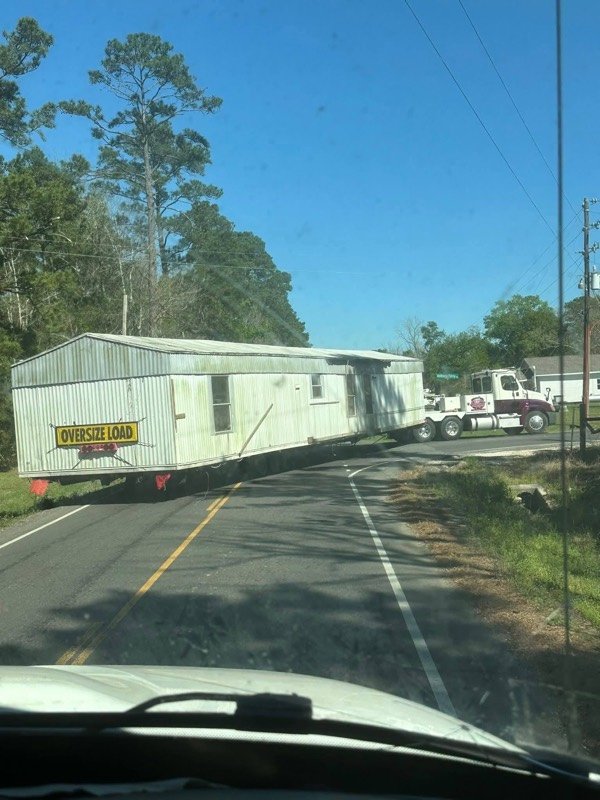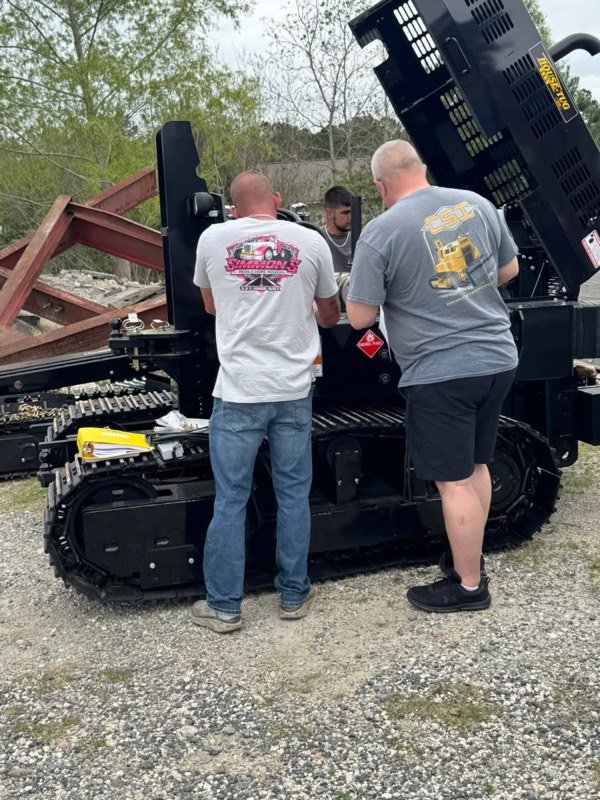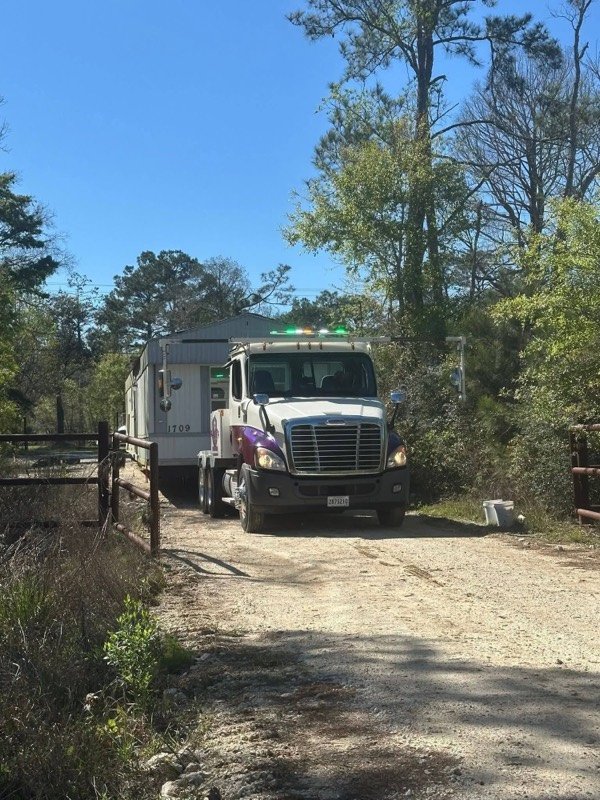
Mobile Home Movers in Florida — Panhandle to the Keys
Florida holds manufactured homes to the toughest wind and anchoring expectations in the country. There is no Wind Zone I anywhere in this state, and the setup has to prove it.
No other state takes manufactured home installation as seriously as Florida, and there are good reasons for it. We move and set homes from the Panhandle and the Big Bend through Ocala and the I-4 corridor, down the Nature Coast and Southwest Florida, across the Treasure Coast and into South Florida. Retirement communities, coastal parks, ranch lots out in DeSoto and Okeechobee counties, grove country in Highlands County — the settings could hardly be more different. What never changes is that the home has to be rated, anchored and permitted correctly.
Local Florida Crews, One National Company
Our company office sits at 2951 Owl Creek Rd in Lucasville, Ohio, and handles insurance, permits and dispatch. Florida is worked by our own Florida agents and crews, and that matters more here than almost anywhere. Florida installation is its own body of knowledge: anchors, piers and tie-down components used on a home in this state must be tested, listed and approved by the Department of Highway Safety and Motor Vehicles, and installation follows Rule 15C-1 alongside the manufacturer instructions. Someone parachuting in from another state gets that wrong. You get people who do this here every week, backed by one licensed and insured interstate carrier and a single point of contact.
- No Wind Zone I here — every Florida county is Zone II or III; we verify the data plate
- Approved components only — anchors and piers must be state-tested and listed for Florida
- Soil bearing verified — probe readings at the footprint before any anchor is driven
- Two permit tracks — FDOT for the haul, county or city for placement and inspection
- Hurricane-season planning — schedules built with float from June through November
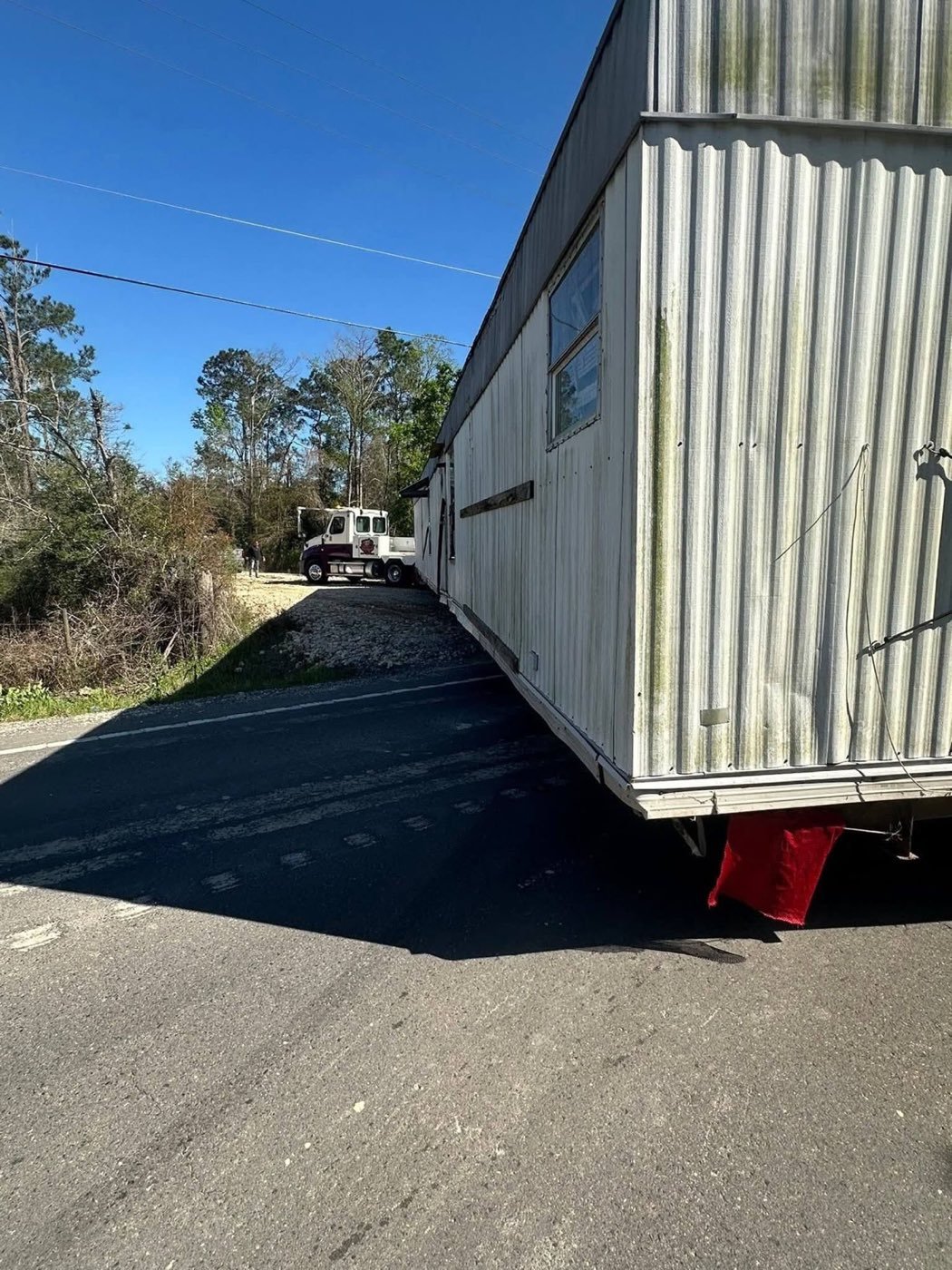
Hauling Across Florida
Florida looks easy on a map and is not. The interstates are straightforward — I-10 across the top, I-75 down the west side and out across Alligator Alley, I-95 down the east, I-4 through Orlando and Tampa — but almost every mobile home park sits off a US or state route with a tight entrance and a canopy of live oak over it. US-27, US-41, US-441, US-19 and US-98 carry most of the real work. South Florida adds gridlock and low clearances to the mix. The Keys are their own conversation, since US-1 is the only way in or out. We survey the entrance before committing to a delivery date.
Main corridors we run in FL: I-75, I-95, I-10, I-4, US-27, US-41 and US-441.
Cities & Towns We Cover in Florida
We regularly move homes in and around Jacksonville, Miami, Tampa, Orlando, St. Petersburg and Port St. Lucie — and everywhere in between. If your origin or destination sits anywhere in FL, we can plan a route to it.
- Mobile home moving in Jacksonville, FL — Duval County, Wind Zone II, sandy soil and a shallow water table
- Mobile home moving in Miami, FL — Miami-Dade is Wind Zone III — the strictest ratings in the state
- Mobile home moving in Tampa, FL — Hillsborough work near the karst belt; soil bearing gets verified
- Mobile home moving in Orlando, FL — I-4 corridor parks with tight entries and heavy tourist traffic
- Mobile home moving in St. Petersburg, FL — Pinellas County is Wind Zone III and peninsula routing is tight
- Mobile home moving in Port St. Lucie, FL — Treasure Coast work; Martin County next door is Wind Zone III
- Mobile home moving in Cape Coral, FL — Lee County, Wind Zone III, canal lots with limited turnarounds
- Mobile home moving in Tallahassee, FL — Big Bend clay over sand, unlike most of the peninsula
- Mobile home moving in Fort Myers, FL — Wind Zone III with dense park development along US-41
- Mobile home moving in Ocala, FL — Marion County horse country with dense manufactured communities
- Mobile home moving in Lakeland, FL — Polk County between Tampa and Orlando; sand and sinkhole awareness
- Mobile home moving in Sebring, FL — Highlands County ridge and grove lots, a center for snowbird parks
Florida Permits & Oversize-Load Compliance
Oversize and overweight permits are issued by the Florida Department of Transportation permit office in Tallahassee through its online Permit Application System, covering travel on the state highway system. The permit sets the route, the escort requirements and the travel restrictions, and Florida enforces those with a dedicated commercial vehicle enforcement operation. Daylight movement, holiday restrictions and metro-area timing rules all apply. Separately, the destination county or city almost always requires its own placement and setup permit plus an inspection. Two different agencies on two different clocks. We run both so that your closing date or park move-in date actually holds.
Permit handling is part of the job, not an extra. See what our permit assistance service covers before your FL move.
Setting, Leveling & Anchoring in Florida
There is no HUD Wind Zone I anywhere in Florida. Fourteen counties — Broward, Charlotte, Collier, Dade, Franklin, Gulf, Hendry, Lee, Manatee, Martin, Monroe, Palm Beach, Pinellas and Sarasota — are Wind Zone III, and every other county in the state is Wind Zone II. A home built for an inland state simply cannot be installed here. Under the home, Florida is sand: fine sandy flatwoods soils with a high water table across much of the peninsula, organic muck around Lake Okeechobee, and limestone karst through the west-central counties where sinkhole risk is a genuine consideration. Florida requires the installer to establish soil bearing before anchors go in, by probe at the home footprint or from a site report, and the anchor selection follows that reading.
When to Schedule Your Florida Move
November through May, without much argument. The dry season gives you firm ground, workable heat and nothing tropical on the board. June through November is hurricane season, and in Florida that is not a formality — permitted travel is suspended when a system approaches, parks restrict move-ins, and inspectors get pulled to other duty. Summer afternoons bring daily thunderstorms and lightning that stop outdoor crews cold. Snowbird turnover also concentrates park moves in winter, so booking early for a January or February date is simply smart.
Complete Mobile Home Services in Florida
A move isn't finished when the home reaches the lot. Across Florida we deliver the full package, all in-house:
- Mobile Home Transport in Florida — Safe and secure transport for single wide, double wide, and sectional homes.
- Setup & Installation in Florida — We set, level, and secure your home the right way from start to finish.
- Permit Assistance in Florida — We handle permits and paperwork so you don't have to.
- Leveling in Florida — Proper leveling for safety, stability, and lasting peace of mind.
- Anchoring & Tie-Downs in Florida — We anchor your home to meet state and local requirements.
Florida Mobile Home Moving FAQs
Florida has no Wind Zone I. Fourteen counties are Wind Zone III: Broward, Charlotte, Collier, Dade, Franklin, Gulf, Hendry, Lee, Manatee, Martin, Monroe, Palm Beach, Pinellas and Sarasota. Every other Florida county is Wind Zone II. A manufactured home built to an inland Zone I rating cannot legally be installed anywhere in this state, which is the single most common problem with homes bought out of state.
Anchors, piers and tie-down components used on a Florida installation must be tested, listed and approved by the Florida Department of Highway Safety and Motor Vehicles, and they must be installed the way they were installed during that testing. Site preparation is spelled out too, down to clearing organic material and grading for drainage under the home. Installation follows Rule 15C-1 along with the manufacturer instructions.
The Florida Department of Transportation permit office in Tallahassee, through its online Permit Application System, for travel on the state highway system. The permit carries the route and the travel restrictions. That is separate from the county or municipal permit you will need at the destination for placement, setup and inspection. We handle the state permit and coordinate the local one so the two line up.
A great deal. Most of the peninsula is fine sand with a high water table, which holds an anchor differently than clay and can shift under a pier when drainage is wrong. West-central Florida sits over limestone karst where sinkhole risk is real, and the Lake Okeechobee area has organic muck soils. Florida requires the installer to establish the soil bearing value at the home footprint, and the anchor plan follows that reading.
The dry season, roughly November through May. Ground is firm, the heat is workable, and there is no tropical system to plan around. Hurricane season runs June through November and genuinely disrupts scheduling, since permitted travel stops when a storm approaches and parks restrict move-ins. Winter is also snowbird season, so park slots and crew calendars fill early. Book well ahead for January or February.
Get Your Free Florida Quote
Tell us where the home is, where it needs to be and what it is, and a Florida crew will look at the route, the park entrance and the site, then email you a free quote. We can do the haul on its own or the full job through anchoring and tie-downs. One licensed, insured company stands behind it, and the people doing the work already know what Florida expects when the inspector arrives.
Moving across a state line? We also cover mobile home transport in Georgia, mobile home transport in Alabama, mobile home transport in North Carolina, mobile home transport in South Carolina, mobile home transport in Virginia and mobile home transport in West Virginia, and every other state in the country.
Mobile Home Moving Guides
Expert tips on costs, permits, and preparing your mobile home for a smooth move.