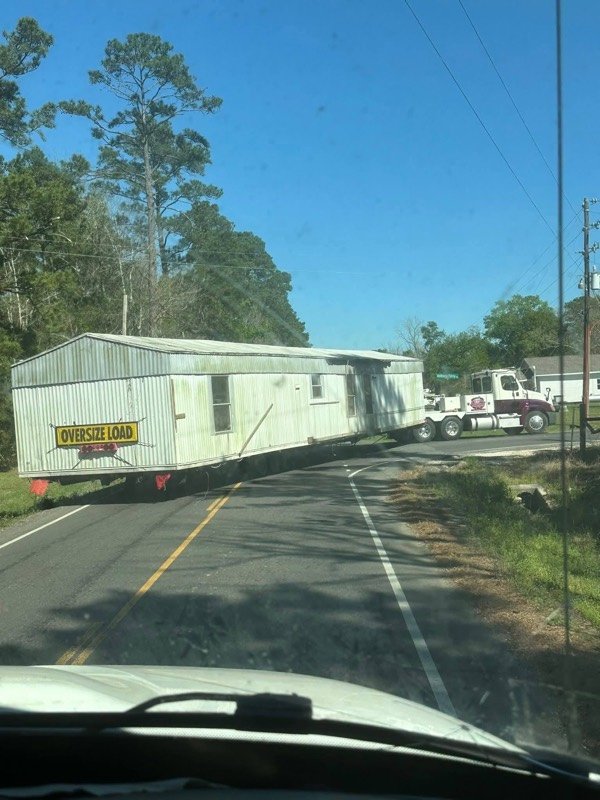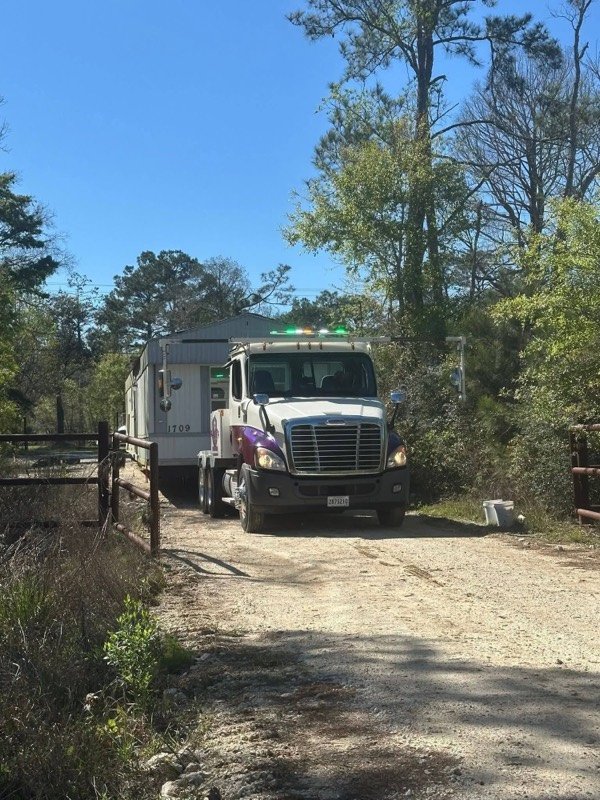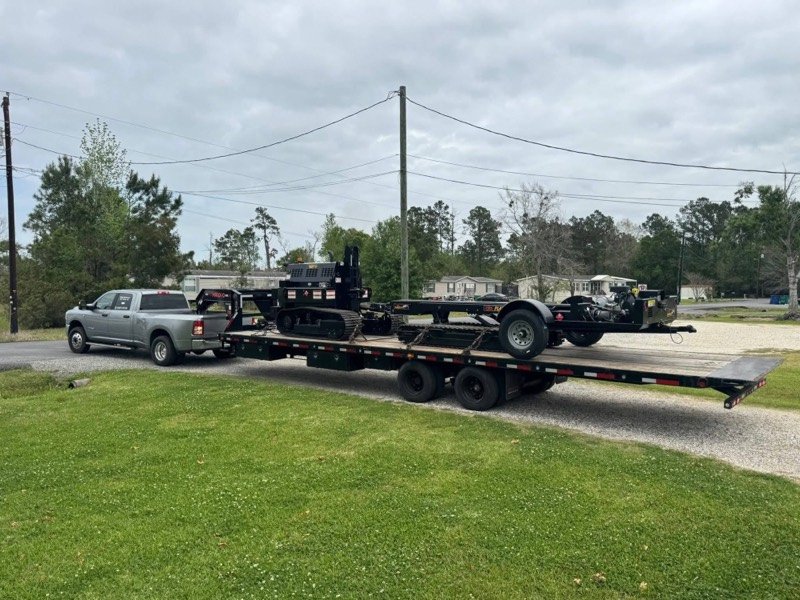
Mobile Home Movers in Vermont — Deep Frost and Posted Roads
Vermont moves are won or lost on the last half mile. Our in-state crews plan the town road, the grade and the turn before anything gets hooked up — then set, level and tie down the home properly.
Almost nobody in Vermont lives near a four-lane road. That single fact shapes every mobile home move in this state. We work the Champlain Valley around Burlington and St. Albans, the Rutland and Middlebury corridor along US-7, the Winooski and White River valleys off I-89, the Connecticut River towns from Brattleboro to St. Johnsbury, and the hill towns in between where the address is a dirt road and a mailbox. Different terrain, same requirement: get the home there without damaging it or the road.
Local Vermont Crews, One National Company
A national company with no local presence is useless in Vermont. You cannot route a wide load through Granville Gulf or up a Northeast Kingdom class road from a desk in another state. So we do not try. Green Mobile Home Transport is headquartered in Lucasville, Ohio, and that is where our licensing, insurance and accountability sit — but our Vermont agents and crews live in Vermont. They have walked these driveways. They know which selectboards want notice, which culverts will not take the axle load, and which farm gate has to come off the hinges to make the turn. One company, local hands.
- Town-road reality — we scout the gravel last mile before we quote the move, not after
- DMV permitting — oversize applications filed with VTrans engineering review when required
- Mud-season planning — spring dates built around municipal and state postings
- Deep-frost blocking — footings and drainage sized for a 60-inch code frost depth
- Vermont crews — agents who know the selectboards, the culverts and the covered bridges
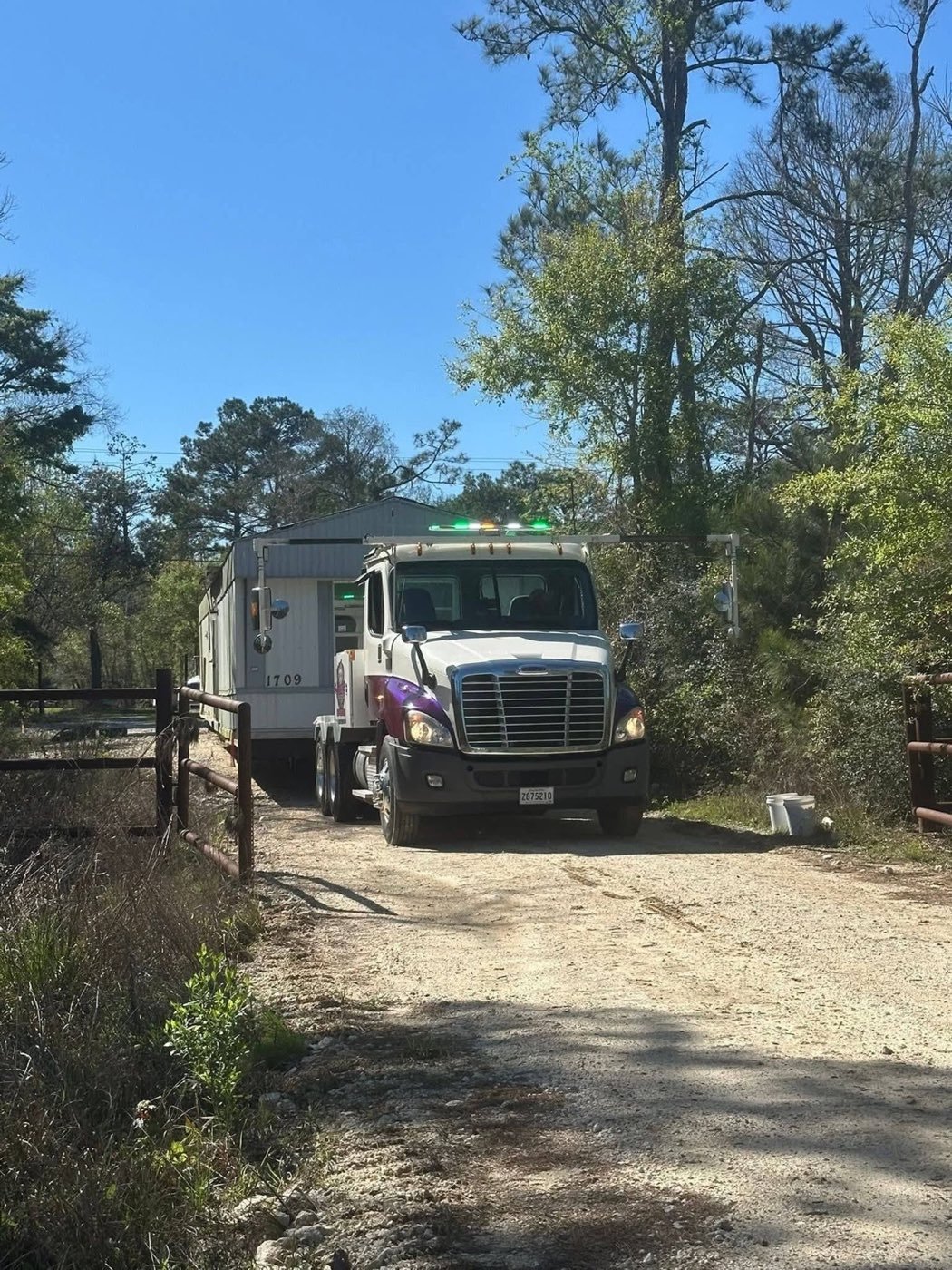
Hauling Across Vermont
The Green Mountains split the state north to south, and there are only so many ways across them. I-89 runs northwest from White River Junction through Montpelier to Burlington. I-91 follows the Connecticut River the length of the eastern border. US-7 is the western spine from Bennington to the Canadian line, and US-4 and VT-9 are the practical east-west crossings. VT-100 is beautiful and mostly wrong for a wide load — it is narrow, winding and residential. Add historic covered bridges with posted limits, gravel town highways, and steep pitched driveways cut into hillsides, and Vermont routing takes real work.
Main corridors we run in VT: I-89, I-91, US-7, US-2, US-4, VT-9 and VT-103.
Cities & Towns We Cover in Vermont
We regularly move homes in and around Burlington, South Burlington, Rutland, Essex Junction, Barre and Montpelier — and everywhere in between. If your origin or destination sits anywhere in VT, we can plan a route to it.
- Mobile home moving in Burlington, VT — Champlain Valley hub; clay soils and tight urban lots
- Mobile home moving in South Burlington, VT — Established communities with good US-7 and I-89 access
- Mobile home moving in Rutland, VT — Central crossroads of US-7, US-4 and VT-103
- Mobile home moving in Essex Junction, VT — Suburban routing planned around rail crossings
- Mobile home moving in Barre, VT — Granite-country sites with rock close to the surface
- Mobile home moving in Montpelier, VT — Winooski valley approaches and narrow downtown streets
- Mobile home moving in St. Albans, VT — Northern Franklin County farm-road access work
- Mobile home moving in Brattleboro, VT — Southern gateway off I-91 and VT-9
- Mobile home moving in Bennington, VT — Southwest corner; US-7 and VT-9 mountain crossings
- Mobile home moving in St. Johnsbury, VT — Northeast Kingdom staging for remote hill-town sites
- Mobile home moving in Middlebury, VT — Addison County valley moves with soft spring shoulders
- Mobile home moving in White River Junction, VT — I-89 and I-91 junction, the natural routing pivot
Vermont Permits & Oversize-Load Compliance
Oversize and overweight permits in Vermont are issued through the Department of Motor Vehicles, and when a proposed load or route raises structural questions, the Agency of Transportation performs the engineering review before anything is approved. The permit governs your route, your travel window, holiday and weekend restrictions, and escort requirements. Then there is the town layer, which in Vermont is unusually important. Municipalities post their own highways during thaw and wet periods, and the state itself will restrict highways when frost is coming out. Getting a Vermont move done means clearing both levels, and we do that work up front rather than at the town line.
Permit handling is part of the job, not an extra. See what our permit assistance service covers before your VT move.
Setting, Leveling & Anchoring in Vermont
Vermont builds deep. The state building safety code sets a 60-inch minimum foundation depth, and that number tells you everything about how frost behaves here. Clay-heavy valley soils in the Champlain basin hold water and heave hard; thin, rocky hillside soils drain fast but give inconsistent bearing. Both call for careful footing sizing and real attention to grading and drainage around the pad. On wind, Vermont is the one New England state with no coastline, and it sits in HUD Wind Zone I statewide. That does not make anchoring optional. Ridge-top and gap sites see serious channelled wind, and we tie down to the manufacturer pattern every time.
When to Schedule Your Vermont Move
The honest answer is June through October, with September and early October being the best weeks of the year for this work. Mud season is not a joke here: from roughly late March into May, dirt town highways can turn unusable and postings appear fast. Winter is workable on plowed state routes but hard on remote sites, and short daylight limits how much setting you can finish. If your move has to happen in spring, we start planning it in winter.
Complete Mobile Home Services in Vermont
A move isn't finished when the home reaches the lot. Across Vermont we deliver the full package, all in-house:
- Mobile Home Transport in Vermont — Safe and secure transport for single wide, double wide, and sectional homes.
- Setup & Installation in Vermont — We set, level, and secure your home the right way from start to finish.
- Permit Assistance in Vermont — We handle permits and paperwork so you don't have to.
- Leveling in Vermont — Proper leveling for safety, stability, and lasting peace of mind.
- Anchoring & Tie-Downs in Vermont — We anchor your home to meet state and local requirements.
Vermont Mobile Home Moving FAQs
Vermont oversize and overweight permits come from the Department of Motor Vehicles. When a load or a proposed route raises structural questions, the Agency of Transportation carries out an engineering review before approval. The permit sets the route, the travel window, weekend and holiday restrictions, and escort requirements. We file the application, resolve routing questions, and separately confirm that no town along the way has its highways posted.
Often yes, but it has to be looked at first. Gravel town highways vary enormously in width, crown, culvert capacity and grade, and the town, not the state, controls them. We walk or drive the last mile before quoting, check turning radii at the intersections, and talk to the road foreman or selectboard where notice is expected. If the road genuinely will not take the load, we will say so rather than find out with a home on the trailer.
Vermont is HUD Wind Zone I statewide. It is the only New England state without an Atlantic coastline, so it avoids the Zone II coastal mapping that applies in parts of Maine, New Hampshire, Massachusetts, Rhode Island and Connecticut. Zone I does not mean light anchoring. Ridge tops, notches and gaps funnel wind hard, and we install the full tie-down pattern specified by the manufacturer for that model.
Vermont's building safety code uses a 60-inch minimum foundation depth, which reflects how far frost can drive here in a cold winter. For a manufactured home the practical concern is heave. Piers on footings that sit in saturated ground will lift unevenly and throw the home out of level, racking doors and cracking finishes. Proper footing size, compacted bearing and water moved away from the pad prevent most of it.
Yes. Our agents and crews live in the state and work it year round. Our headquarters is in Lucasville, Ohio, where the licensing, insurance and single point of accountability are held, but nobody is dispatched from Ohio to run a Vermont job. The people who scout the road, pull the permit, haul the home and set it are Vermonters who have done it in these conditions before.
Get Your Free Vermont Quote
Give us the pickup, the destination and a rough month. We will figure out the route, the town approvals and what the site needs, then send a plain quote by email — no phone tag, no pressure. Green Mobile Home Transport carries interstate oversize licensing and insurance and has more than 1,000 homes behind it. If you want a second opinion on whether a move is even practical from your site, ask us. We will tell you straight.
Moving across a state line? We also cover mobile home transport in New York, mobile home transport in Massachusetts, mobile home transport in New Hampshire, mobile home transport in Connecticut, mobile home transport in Maine and mobile home transport in Rhode Island, and every other state in the country.
Mobile Home Moving Guides
Expert tips on costs, permits, and preparing your mobile home for a smooth move.