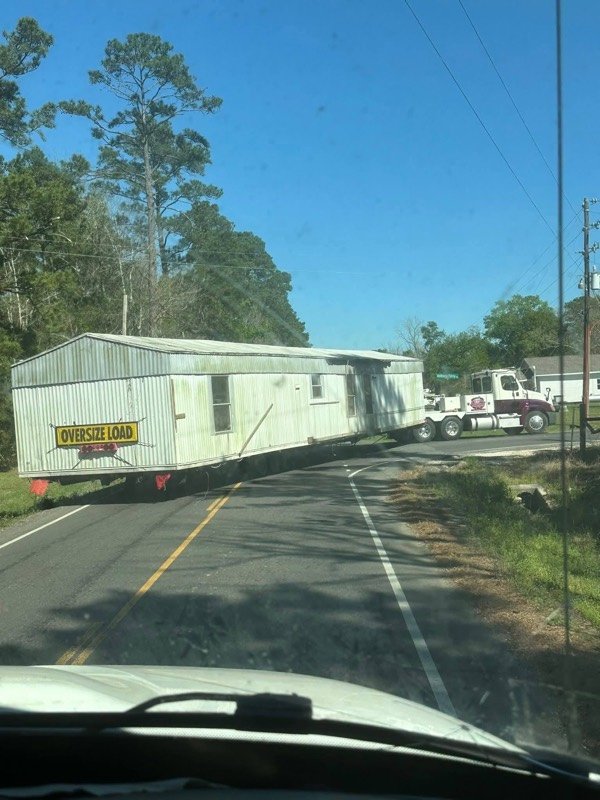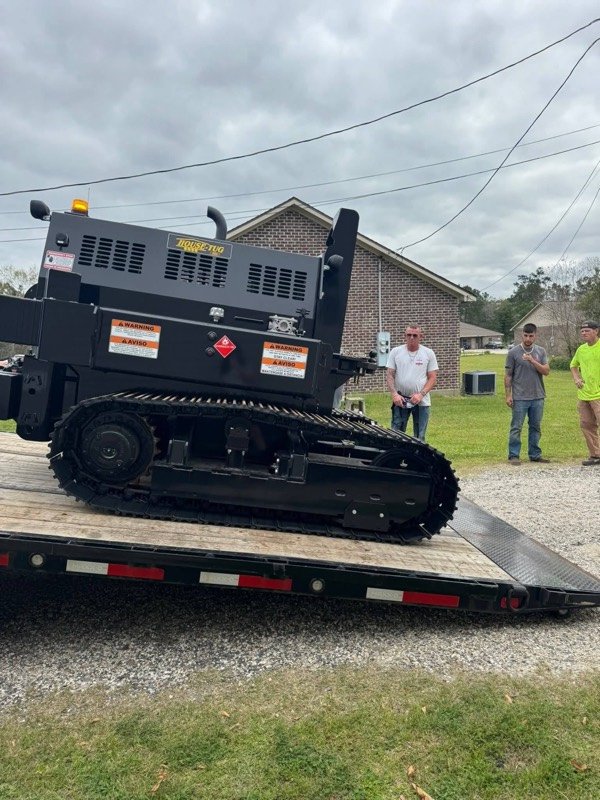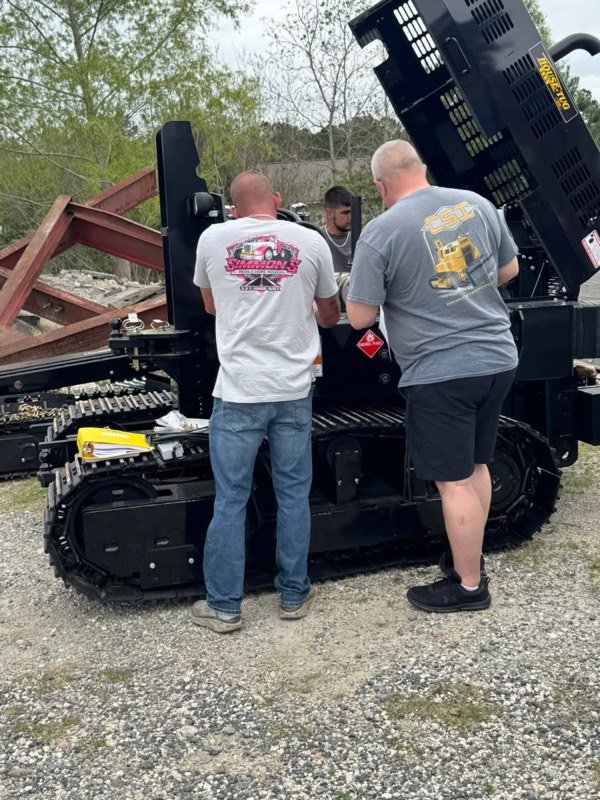
Mobile Home Movers in Connecticut — All 169 Towns
Connecticut has two road networks: the one trucks can use and the one they legally cannot. Our in-state crews route around the parkways, clear the permits, and set your home level when it arrives.
Ask anyone who hauls in Connecticut what makes the state difficult and they will say the same thing: the roads that look direct on a map are often closed to you. We work the whole state anyway — Fairfield County and the Gold Coast, the Naugatuck Valley, Greater Hartford and the Farmington Valley, the shoreline from Milford to Stonington, the Litchfield Hills, and the quiet eastern towns out toward Windham County. Manufactured home transport, set-up, leveling, anchoring and permit work, all of it handled by people who live here.
Local Connecticut Crews, One National Company
Connecticut is 169 towns with no county government between them and the state, which means local road use is genuinely local business. Our crews here are our own employees and agents, based in Connecticut, and that is exactly why they can get a first selectman or a town public works director on the phone and get a straight answer about a Tuesday morning move. Green Mobile Home Transport is headquartered in Lucasville, Ohio — that is where the operating authority, the insurance and the accountability sit. Nobody drives east to do your job. The crew is local; the backing is national and licensed.
- Parkway restrictions — Route 15 is closed to trucks and towed loads, so we route around it
- CTDOT permits — OS/OW applications filed with route, hours and escorts settled
- 169 towns — local approvals and police details arranged before the truck rolls
- Shoreline Zone II — heavier anchoring for Fairfield through New London County sites
- Connecticut crews — local agents who know which streets a wide load cannot enter
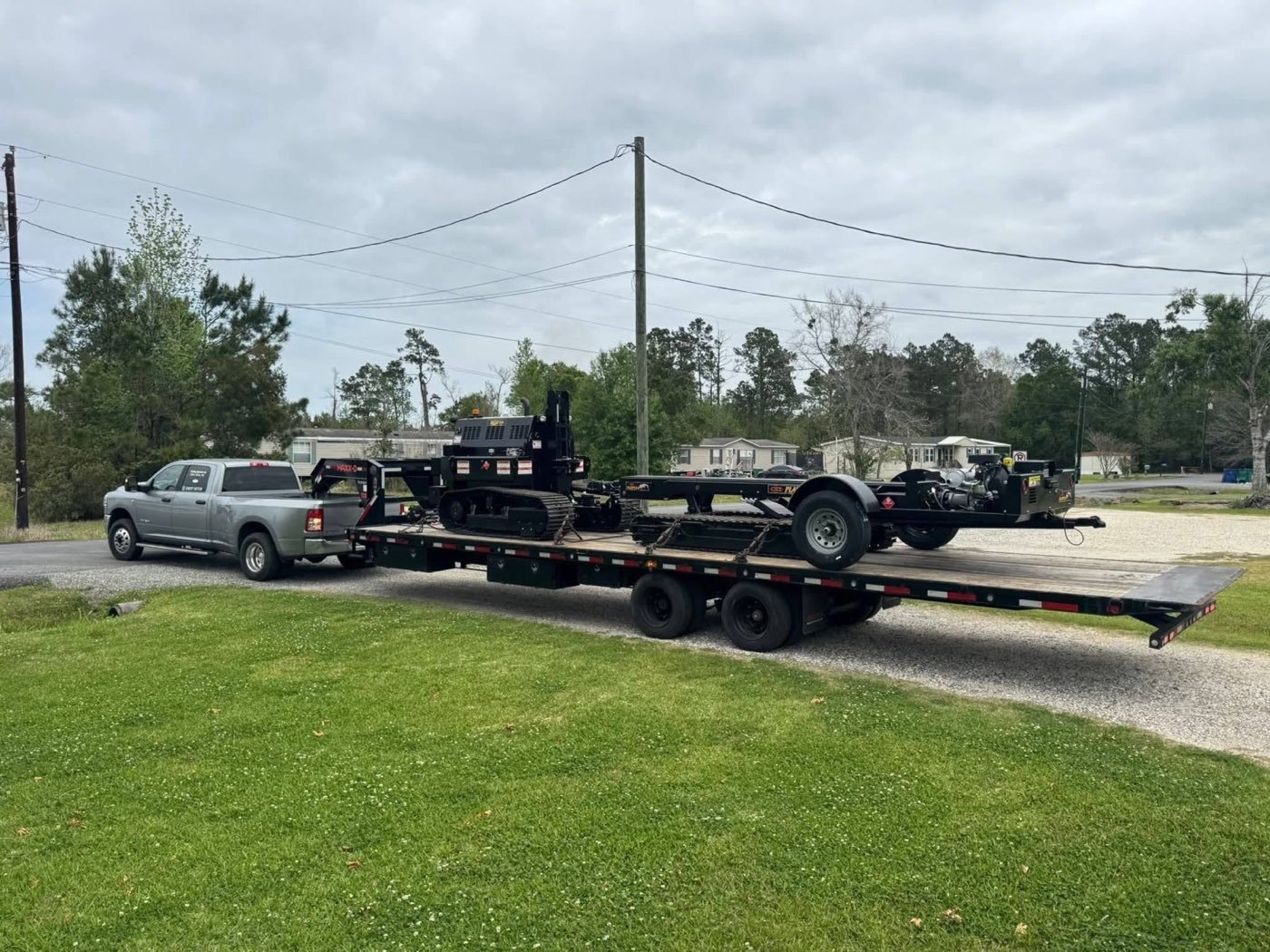
Hauling Across Connecticut
I-95 hugs the shoreline from Greenwich to the Rhode Island line and carries the state coastal freight, congestion included. I-91 runs north from New Haven through Hartford toward Springfield. I-84 crosses diagonally from Danbury through the tight, elevated curves at Waterbury and on to Union. I-395 handles the east. Route 8 climbs the Naugatuck Valley and Route 9 drops to Old Saybrook. Then there are the parkways. The Merritt and Wilbur Cross, Route 15, ban trucks and towed vehicles outright — the stone-arch overpasses are simply too low, and drivers who ignore that hit them. Any wide load in southwestern Connecticut uses I-95 or I-84, full stop.
Main corridors we run in CT: I-95, I-91, I-84, I-395, CT-8, CT-9 and US-7.
Cities & Towns We Cover in Connecticut
We regularly move homes in and around Bridgeport, New Haven, Stamford, Hartford, Waterbury and Norwalk — and everywhere in between. If your origin or destination sits anywhere in CT, we can plan a route to it.
- Mobile home moving in Bridgeport, CT — Coastal city routing stays on I-95, never the parkway
- Mobile home moving in New Haven, CT — I-95 and I-91 junction with Wind Zone II anchoring
- Mobile home moving in Stamford, CT — Dense Fairfield County streets and restricted approaches
- Mobile home moving in Hartford, CT — Capital region staging with strong I-84 and I-91 access
- Mobile home moving in Waterbury, CT — I-84 curves through the city require careful wide-load timing
- Mobile home moving in Norwalk, CT — Shoreline sites where salt exposure affects tie-down hardware
- Mobile home moving in Danbury, CT — Western hills served off I-84 and US-7
- Mobile home moving in New Britain, CT — Central Connecticut work off CT-9 and CT-72
- Mobile home moving in Norwich, CT — Eastern Connecticut hub near I-395 and CT-2
- Mobile home moving in New London, CT — Thames River shoreline communities in Wind Zone II
- Mobile home moving in Torrington, CT — Litchfield Hills grades and stony till under the pad
- Mobile home moving in Putnam, CT — Quiet Corner routes along I-395 in the northeast
Connecticut Permits & Oversize-Load Compliance
Oversize and overweight movement is permitted by the Connecticut Department of Transportation through its OS/OW Permit Office, which sits within the department bureau responsible for highway operations and is administered out of Newington. The permit establishes the approved route, the permitted travel days and hours, and any escort or state police requirement. Connecticut routing is scrutinized closely because so many of the obvious paths are parkway-restricted or carry low clearances, and because the shoreline corridor is congested for much of the day. Where a route touches municipal streets, town approval and sometimes a police officer are part of the plan. We prepare all of it in advance.
Permit handling is part of the job, not an extra. See what our permit assistance service covers before your CT move.
Setting, Leveling & Anchoring in Connecticut
Design frost depth across Connecticut generally lands in the three to three-and-a-half foot range, shallower than northern New England but deep enough that footings still have to be set with thought. The glacial soils vary widely across short distances here, from stony till in the Litchfield Hills to sandy coastal deposits, so bearing gets verified pad by pad rather than assumed. Wind zone splits along the shore: the four shoreline counties — Fairfield, New Haven, Middlesex and New London — are mapped HUD Wind Zone II, while the inland counties of Hartford, Litchfield, Tolland and Windham are Wind Zone I. Coastal installations get the heavier tie-down pattern the manufacturer specifies for Zone II.
When to Schedule Your Connecticut Move
The best stretch runs from late April through October, and early fall is the sweet spot. Ground carries weight, the weather is settled, and the shoreline traffic thins out after Labor Day. Move dates in July and August work fine as long as travel happens outside commuting hours on I-95. Winter transport is normally possible on the interstate network, but ice on a sloped driveway can stop a set cold. Brief spring thaw softening shows up mostly on rural roads in the northwest and northeast corners.
Complete Mobile Home Services in Connecticut
A move isn't finished when the home reaches the lot. Across Connecticut we deliver the full package, all in-house:
- Mobile Home Transport in Connecticut — Safe and secure transport for single wide, double wide, and sectional homes.
- Setup & Installation in Connecticut — We set, level, and secure your home the right way from start to finish.
- Permit Assistance in Connecticut — We handle permits and paperwork so you don't have to.
- Leveling in Connecticut — Proper leveling for safety, stability, and lasting peace of mind.
- Anchoring & Tie-Downs in Connecticut — We anchor your home to meet state and local requirements.
Connecticut Mobile Home Moving FAQs
The Connecticut Department of Transportation issues them through its OS/OW Permit Office, which operates under the department's highway operations bureau and is run out of Newington. The permit sets the approved route, the allowable travel days and hours, and any escort or state police requirement. We prepare and submit it, then confirm any municipal approvals or police detail requirements along the local portion of the route.
Because trucks, buses and towed vehicles are prohibited on the Merritt and Wilbur Cross Parkway, Route 15, by law. The parkway was built for passenger cars, with narrow lanes, tight curves and low stone-arch overpasses that over-height vehicles strike regularly. There is no permit that makes a manufactured home legal on it. Wide loads in southwestern Connecticut travel I-95 or I-84 instead, which is why routing here takes planning.
It depends on the location. The four shoreline counties, Fairfield, New Haven, Middlesex and New London, are mapped HUD Wind Zone II because of Long Island Sound hurricane exposure. Inland Hartford, Litchfield, Tolland and Windham counties are Wind Zone I. A shoreline home needs the heavier anchoring pattern. As always, the specific tie-down layout comes from the home's data plate and the manufacturer's installation instructions.
Connecticut design frost depth generally falls in the three to three-and-a-half foot range, shallower than Vermont or Maine but deep enough to move a poorly supported home. The bigger local variable is soil. Connecticut geology changes quickly across short distances, from stony glacial till inland to sandy coastal deposits. We check bearing at the actual pad, size footings to it, and grade water away so piers do not settle unevenly.
Yes. Our agents and crews live in Connecticut and work it year round, which is what lets us deal with 169 separate town road authorities without guesswork. The company is headquartered in Lucasville, Ohio, where licensing, insurance and accountability are held centrally. The people who route the move, pull the permit, haul the home and set it are local, and one licensed company stands behind the entire job.
Get Your Free Connecticut Quote
Give us the pickup and delivery addresses, the size of the home and the timeframe you are working with. We will map a legal route, sort the permits and any town requirements, and email you a straightforward quote. Nothing is charged for the estimate and nothing obligates you. Green Mobile Home Transport is licensed and insured for oversize interstate work and has more than 1,000 homes behind it. If something about the site needs fixing first, we will say so up front.
Moving across a state line? We also cover mobile home transport in New York, mobile home transport in Massachusetts, mobile home transport in Rhode Island, mobile home transport in Maine, mobile home transport in New Hampshire and mobile home transport in Vermont, and every other state in the country.
Mobile Home Moving Guides
Expert tips on costs, permits, and preparing your mobile home for a smooth move.