Mobile Home Transport
Safe, secure hauling for single wide, double wide, and sectional homes — local moves and long-distance relocations nationwide.
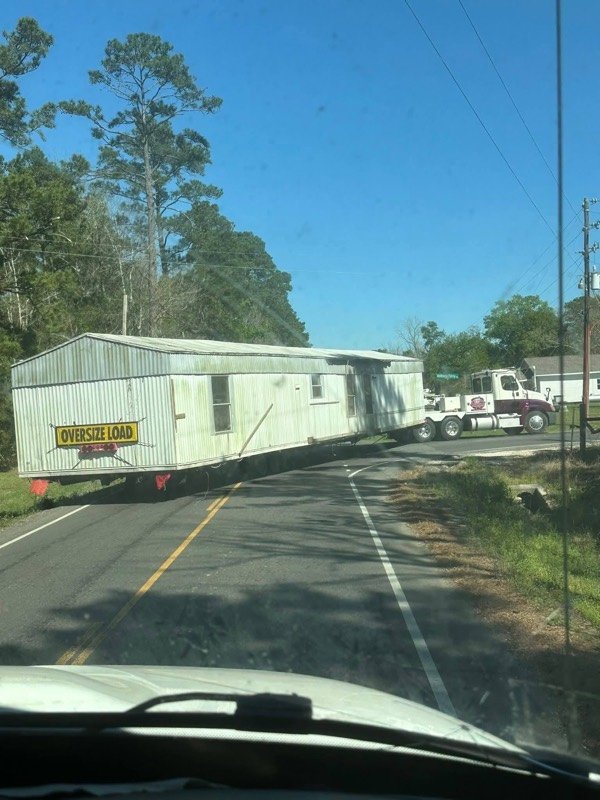
Transporting a manufactured home is a specialized job that has almost nothing in common with a household move. It demands purpose-built trucks, the right hitch and axle setup, permits for every state you pass through, and drivers who know how to keep a wide, heavy load stable at highway speed. Green Mobile Home Transport does exactly this every week, and we treat your home like it is our own from the moment we hook up to the moment it rolls onto its new site.
Transport, hauling, towing, toter — what the words mean
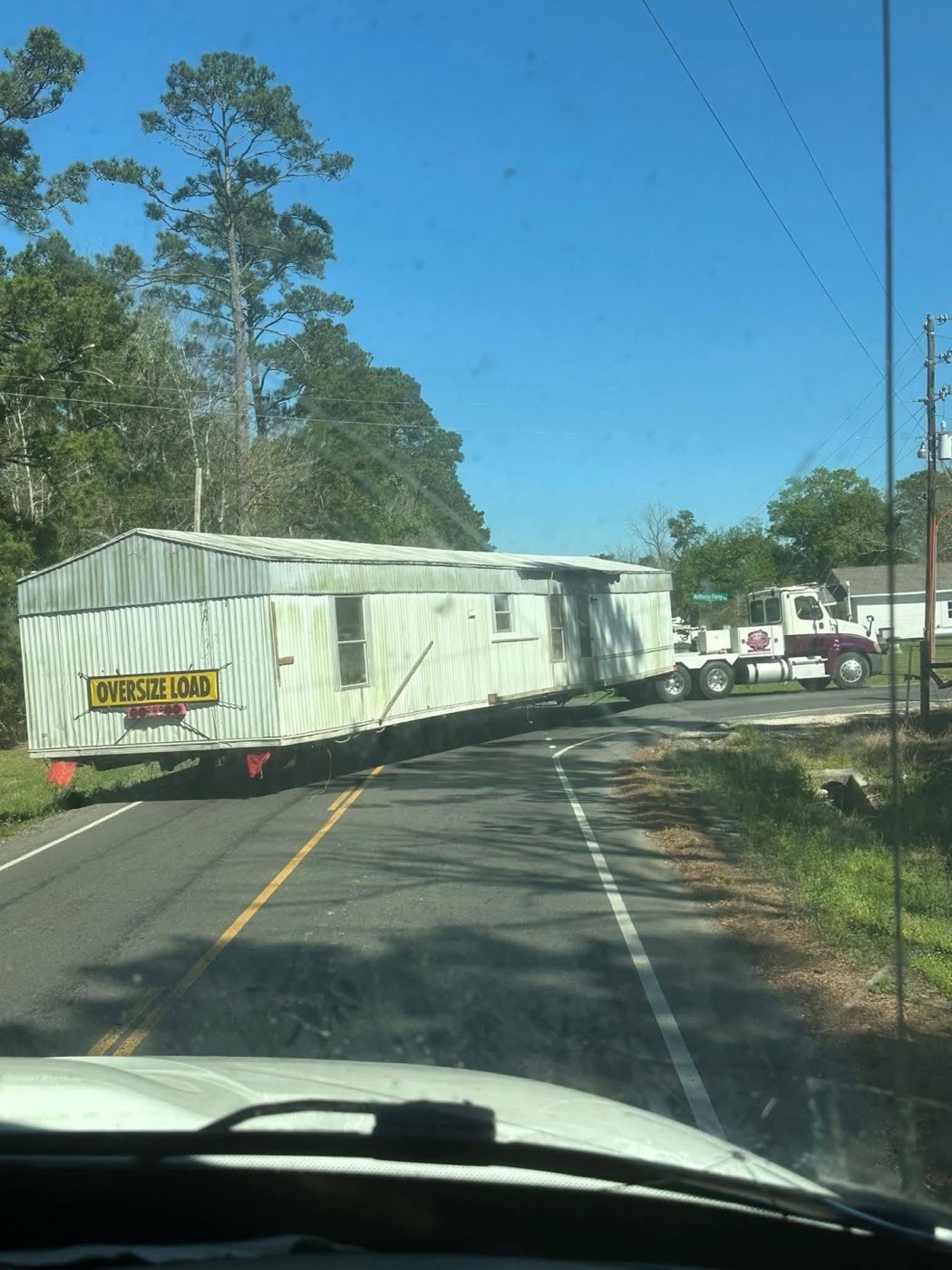
People use half a dozen words for this service and they mostly describe the same job from different angles. Mobile home transport and manufactured home transport are the industry terms for the whole operation; hauling usually means the road leg; transporters and haulers are the firms doing it. Towing is literally accurate — on almost every move the home is towed on its own steel chassis, rolling on its own axles, springs and tires, rather than riding on a trailer.
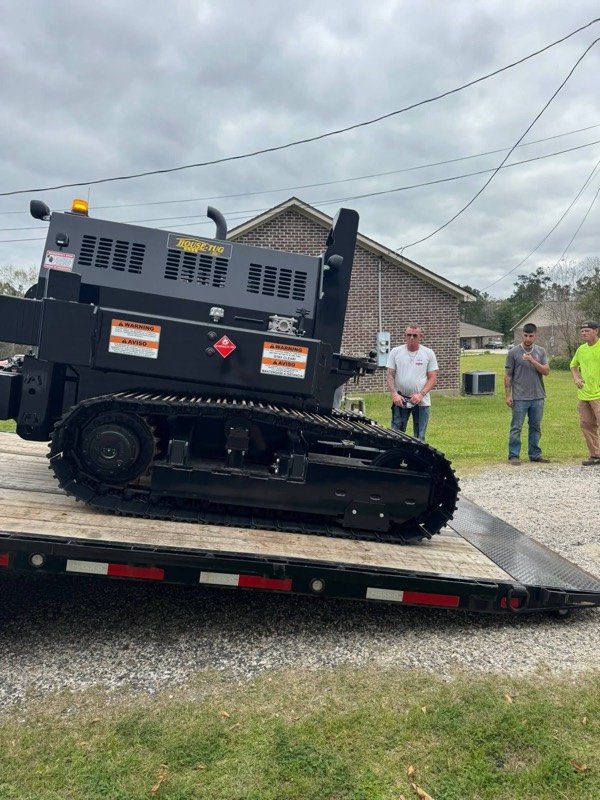
The mobile home transport truck you see on the road is a toter — a heavy-duty truck with a hydraulic hitch that couples directly to the home’s frame and takes the tongue weight. Where a toter cannot physically get in — a tight park lot, a soft lawn, a gap between two existing homes — we use a tracked remote mover that walks the section into position under radio control. Most jobs use both, and that is the difference between a home that lands where you want it and one that lands as close as the truck could get.
Why every mobile home move is an oversize load
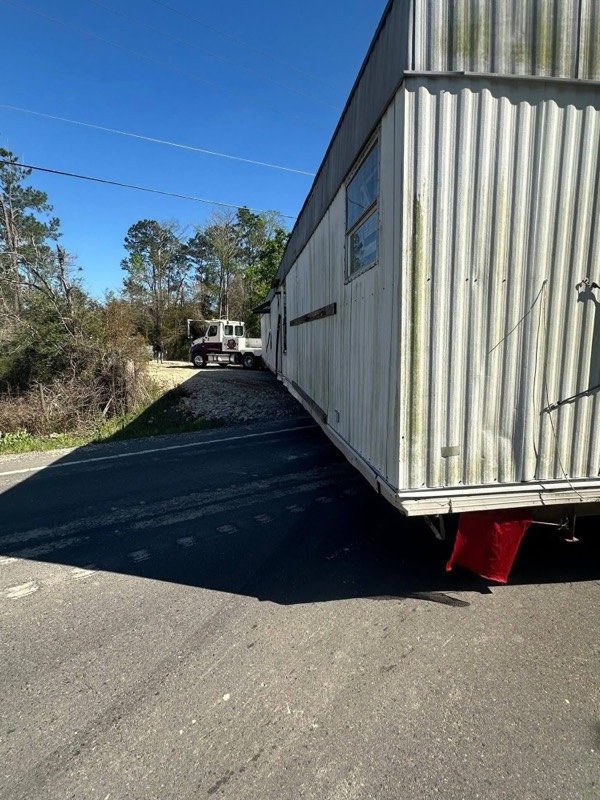
No manufactured home fits inside the legal width envelope anywhere in the United States. Ordinary traffic is capped at 102 inches across; a mobile home section is roughly twice that. So a move is never a question of whether you need authorization — it is a question of how many authorizations, because each state the home touches issues its own, against your specific route and dates.
That single constraint shapes everything downstream — which escorts run, what hours you may travel, how the route is surveyed, and what date the home can realistically leave. It also explains the cost gap people find surprising: a 40-foot box trailer is a routine load, while a house on wheels is an exception that has to be individually authorized, state line by state line. We pull that paperwork in-house; permit assistance sets out which permits exist, who issues them and what they cost you in time.
What we check before we hook up
A manufactured home is a building that has to behave like a vehicle for a day or two, and the pre-move inspection is where a move succeeds or fails. It covers five things: the main frame and outriggers, for rust-through and cracked welds; the hitch area, which carries the tongue load; the axles, springs and bearings, often sitting still for twenty years; the tires, which age out long before they wear out; and the floor and bottom board, because a soft floor flexes badly over a bridge joint.
We also want the home’s data plate — the permanent plate near the main electrical panel listing the serial number, the certification label number for each transportable section, and the wind load and roof load zones the home was built for. That is what the installer and inspector at the destination will ask for, and it decides whether the home can legally be set where it is going. Better to find it missing at the quote than on move day.
Choosing between mobile home transport companies
There is a real split between carriers, who own the trucks and employ the crews, and brokers, who sell you a move and then find someone to do it. Both are legitimate, but know which you are talking to, because it changes who is accountable when something goes wrong. Four questions sort it out: Do you own the toter that will pull my home? Who pulls the permits? Does the quote include setting the home, or only the haul? And what happens, in writing, if the site is not ready?
What mobile home transport includes
Our transport service covers the entire haul, not just the driving — from the condition assessment and route confirmation through hitch-up, escorts where the law requires them, and delivery onto your prepared site.
- Pre-move inspection of frame, floor, hitch, axles, and tires
- Proper towing equipment matched to your home’s size and weight
- Route planning around low bridges, weight limits, and tight turns
- Licensed, insured drivers and pilot/escort vehicles when required
- Careful placement onto your pad, foundation, or blocking
Single wide vs. double wide transport
A single wide moves as one continuous unit, which makes it the most straightforward manufactured home to relocate — one truck, one permit set per state, one delivery. A double wide is different: it splits into two independent halves that each travel on their own trip, then get rejoined at the marriage line once both sections are on site. Triple wide and multi-section homes follow the same logic with additional sections. Because each half needs its own transport, permits, and blocking, double wide moving involves more time and cost, and the setup work afterward is more involved. We explain exactly what your specific home requires when we quote it.
Local, interstate, and “mobile home transport near me”
A short move across town and a relocation across several states are planned very differently. Local moves often finish in a single day on one state’s permit. Long-distance transport means a permit from every state on the route, escorts wherever that state’s width threshold is crossed, travel-hour and holiday restrictions that differ at every line, and overnight staging somewhere legal in between.
“Near me” matters less here than people expect: there is no local toter in most counties, and a crew that regularly runs a corridor beats one based ten miles away. We work from our own yard in Lucasville, Ohio and run nationwide — see the states we cover.
Our approach
We plan every move backward from the destination. Where will the home sit? How will it get onto the pad? What clearances are on the final approach? Answering those first prevents the expensive surprises, and because we also handle setup, leveling and anchoring in-house, the team that delivers your home is accountable for landing it ready for installation.
Why choose Green Mobile Home Transport
- Fully licensed and insured for your protection in transit
- Experienced crews who move manufactured homes week in, week out
- Honest, itemized quotes with no hidden fees
- One company for transport, setup, leveling, and anchoring
Transport FAQs
Yes. Manufactured homes are built around twice the width allowed for ordinary road traffic, so there is no size of home and no length of trip that avoids permitting — and the permits are issued separately by each state the home passes through. We handle them as part of the job.
Usually, yes. A toter truck couples to the home’s own steel chassis and the home rolls on its own axles, springs and tires rather than riding on a trailer. That is why the running gear matters: tires, bearings, springs and hitch all have to be sound, and we inspect them before we quote.
No. A double wide travels as two separate sections (a triple wide as three). Each section is transported on its own and then rejoined at the marriage line during setup. That means more permits and equipment than a single wide, which is why double wide moving costs more.
We handle both short local moves and long-distance, multi-state relocations anywhere in the United States. For longer routes we plan the path in advance to account for bridges, low clearances, and each state’s oversize-load rules.
Yes. Remove furniture, appliances that are not secured, and loose belongings, and disconnect utilities before the move. The lighter and better-secured the home is, the safer and smoother the transport.
Older homes can often be moved, but the frame, floor and hitch area need to be sound enough for the road. Homes built before 15 June 1976 also pre-date the federal HUD code; that rarely stops the haul itself, but some states apply extra installation requirements and some local authorities and managed communities will not accept them at all. We check the destination’s rules during the quote and tell you honestly whether the move is worth making.
There is no flat rate. Price is driven by the number of sections, the width of each, total mileage, how many states the route crosses, how many of those require escorts, and the access at both ends. We quote every job individually and itemize it. Our guides to what it costs to move a mobile home and the cheapest way to move a mobile home walk through the drivers.
Mobile Home Moving Guides
Expert tips on costs, permits, and preparing your mobile home for a smooth move.