Mobile Home Moving Permit Assistance
Oversize-load permits, pilot-car escorts, DOT compliance, and route planning — the paperwork side of your move, handled.
Every mobile home move rides on a stack of paperwork most homeowners never see. Because a manufactured home is wider than a normal vehicle load, moving it legally means securing oversize-load permits, following each state’s travel rules, and arranging escorts where the law demands them. Our permit assistance service takes that entire burden off your plate so your move stays legal, safe, and on schedule.
Do you need a permit to move a mobile home?
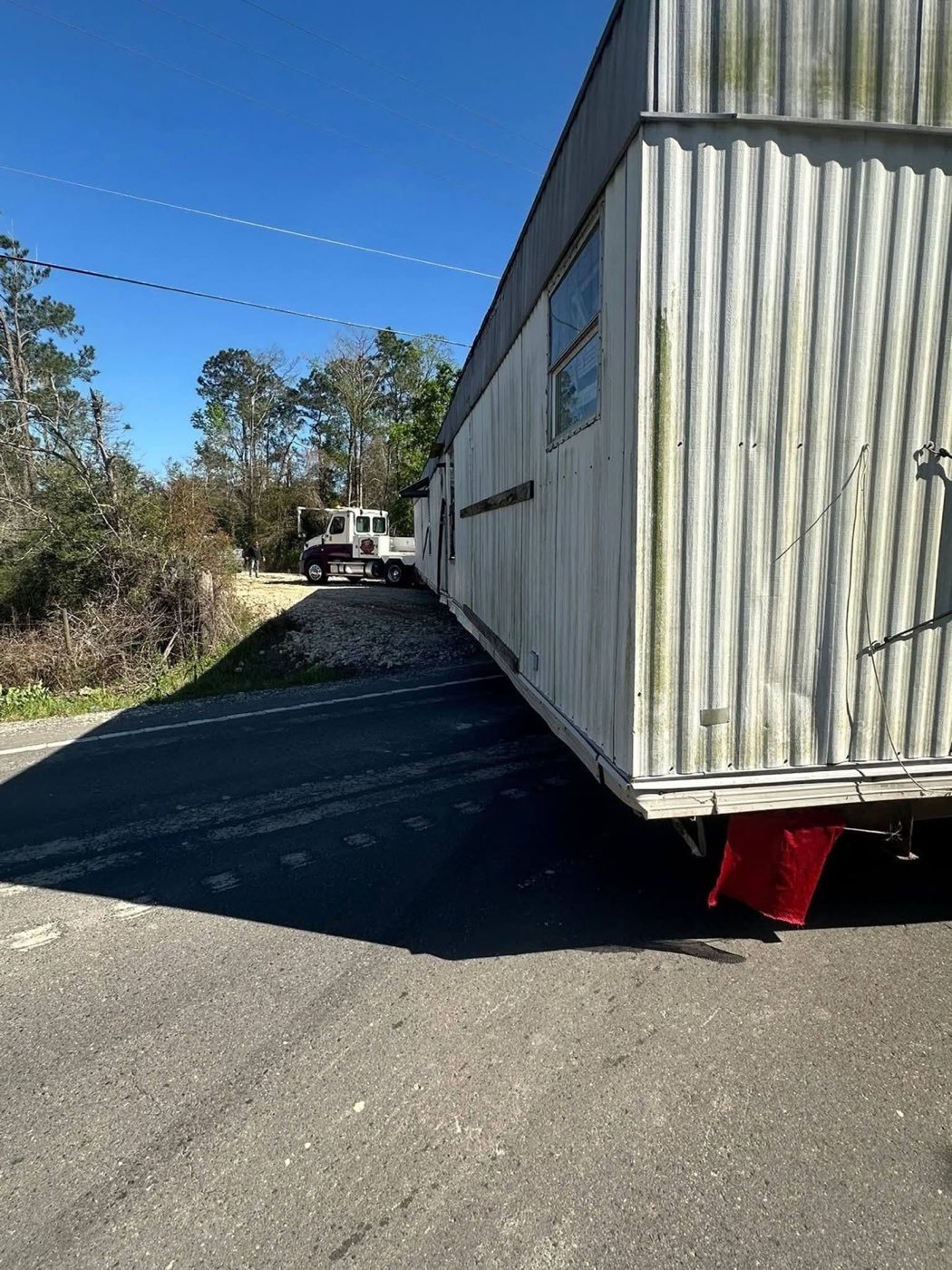
Yes — and almost always more than one. Federal law fixes the maximum legal vehicle width on the National Network at 102 inches, which is 8 feet 6 inches, and no state may set it higher or lower (23 CFR 658.15). A single wide is commonly 14 to 18 feet wide and each half of a double wide 12 to 16 feet, so there is no manufactured home that fits inside the legal envelope. The same regulation is what makes the move legal at all: it expressly allows a state to grant special use permits to motor vehicles “including manufactured housing” at widths over 102 inches. Every mobile home move in the United States travels on one of those permits.
The three permits people confuse
Homeowners usually think of “the permit” as one piece of paper. It is normally three separate approvals from three different authorities, and missing any one of them stops the move.
- The DOT oversize-load transport permit. Issued by each state’s transport authority, one per state, per route, per trip and per transportable section. It names the dimensions, the route and the valid dates, and it carries the escort and travel-hour conditions on its face. Change the route and you need a new one.
- The local installation or building permit at the destination. Pulled from the county or municipality where the home will sit, this triggers the setup inspection — blocking, leveling, anchoring, utility connections — and is often conditioned on zoning, flood-zone status and, in some jurisdictions, the age of the home. It is applied for separately from the DOT permit.
- Tax or title clearance at the origin. Many states will not let a home leave its site until local taxes on it are settled. Ohio shows how exacting this gets: the county auditor issues a relocation notice only once the manufactured home taxes and a $5 fee are paid; the notice is a one-foot-square yellow sign carrying the owner’s name, the registration or serial number and the destination address and county, attached to the rear of the home while it is on public roads. Move without it and a $100 penalty falls on the homeowner and on the mover. Other states have their own version of the same gate.
Escort and pilot-car requirements
Whether your move needs escorts depends on the home’s width and the states on the route, and the thresholds really do differ from state to state. Texas publishes one of the clearest sets of rules and shows the shape of it: under a manufactured housing permit, a load over 16 feet wide but not over 18 feet requires one escort — running in front on a two-lane highway and behind on a highway with four or more lanes — and anything over 18 feet wide requires two escorts, one front and one rear. The escort vehicles themselves are specified: signs front and rear with a yellow background and black lettering at least 8 inches high reading “wide load,” plus two simultaneously flashing lights or one rotating amber beacon visible from front and rear.
Other states place the trigger at a different width, or key it to road type, time of day or a specific bridge list. There is no national rule to memorize — the permit your move is issued under is the controlling document, and we book escorts to match it in every state on the route.
Travel windows, curfews and your move date
Permits do not just say you may move — they say when. Oversize movement is commonly restricted to daylight hours, barred around certain holidays and blocked inside metropolitan rush windows, with each state writing its own version and printing it on the permit. Stack three or four states together and the legal travel window can be narrower than the drive itself, which is why staging points are planned alongside the route. A home that cannot legally move on a Friday afternoon has to sit somewhere lawful until Monday — a cost worth designing out in advance.
What permit assistance covers
We manage the compliance work from booking to arrival. That starts with figuring out precisely which permits your specific route requires and ends with escorts lined up and paperwork in the cab before the wheels turn.
- Oversize-load and transport permits for every state on the route
- Local and county permits where required
- Pilot-car / escort arrangement to meet state rules
- DOT compliance and adherence to travel-day and travel-hour limits
- Route planning around bridges, clearances, and weight limits
Why permits are more complicated than they look
There is no single national permit for moving a mobile home. A single wide crossing three states can face three completely different rule books, and missing one requirement means the load is stopped, fined or delayed — costs that dwarf getting the permits right the first time.
Route planning and escorts
Permits and routes go hand in hand. A legal route avoids low bridges, weight-restricted roads, and turns too tight for an oversize load, and it lines up with the states’ approved travel corridors. Where a state requires pilot cars based on the home’s width or the roads in play, we arrange qualified escort vehicles to run ahead of and behind the load, warning traffic and guiding the driver through the tricky spots.
Single wide vs. double wide permitting
A single wide is one permitted load. A double wide moves as two sections, and each half is its own permitted oversize load — so a double wide move typically means twice the permits and, often, additional escort requirements. Planning for that up front keeps a multi-section move from stalling midway. The permit side is inseparable from the haul itself, which is why we run both: see mobile home transport for the road leg and setup and installation for the destination permit and inspection that close the job out.
Why let us handle it
- We know the state-by-state rules and keep your move compliant
- No wasted days from missing or incorrect permits
- Escorts and routes coordinated with the transport itself
- One point of contact for permits, hauling, and setup
Permit Assistance FAQs
Yes — and usually more than one. Federal law caps legal vehicle width on the National Network at 102 inches, or 8 feet 6 inches (23 CFR 658.15), and every manufactured home is far wider than that, so an oversize-load permit is required in each state the home travels through. Most moves also need a local installation permit at the destination and some form of tax or title clearance at the origin. We identify and pull every permit your route needs.
It depends on the width of the home and the states on the route, and the thresholds genuinely differ. Texas is a clear example: for manufactured housing permits, a load over 16 feet wide but not over 18 feet needs one escort — in front on a two-lane highway, behind on a highway with four or more lanes — and anything over 18 feet needs two, one front and one rear. Other states set the trigger elsewhere. The permit itself is the controlling document, and we arrange escorts wherever the permit calls for them.
Both the mover and the homeowner can be exposed, which surprises people. In Ohio, moving a manufactured home without the county auditor’s relocation notice carries a $100 penalty on the owner and on the person who moved it, and an unpaid owner penalty becomes a lien added to the manufactured home tax duplicate — before any DOT citation for running an unpermitted oversize load.
Pilot (escort) vehicles travel ahead of and/or behind an oversize load to warn traffic and help the driver navigate turns, bridges, and intersections. Many states require them based on the home’s width and the roads used. We arrange escorts wherever they are mandated.
Yes, significantly. Width thresholds, travel-day and travel-hour restrictions, escort requirements, and holiday move bans all vary by state. That patchwork is exactly why we handle the paperwork — so a multi-state move stays legal and on schedule.
It depends on the states involved and current processing times, which is why we recommend scheduling early. We start the permit process as soon as your move is booked so paperwork is never the thing holding up your date.
Mobile Home Moving Guides
Expert tips on costs, permits, and preparing your mobile home for a smooth move.