Mobile Home Movers Serving Washington, DC and the DC Metro
Straight answer: almost nobody sets a manufactured home inside the District. We serve the DC metro, move loads through the city under DDOT permit, and site homes on the Maryland and Virginia sides.
Let us be plain about what this page covers. The District of Columbia is sixty-eight square miles of federal city with essentially no manufactured home communities and very little land where a home could be placed. What DC does have is a metro area of six million people, and that metro is where the work is: Prince George’s, Charles, Montgomery and Anne Arundel counties in Maryland, and Fairfax, Prince William, Stafford and Loudoun counties in Virginia. We serve that whole ring, and we treat the District itself as a routing and permitting corridor.
Local District of Columbia Crews, One National Company
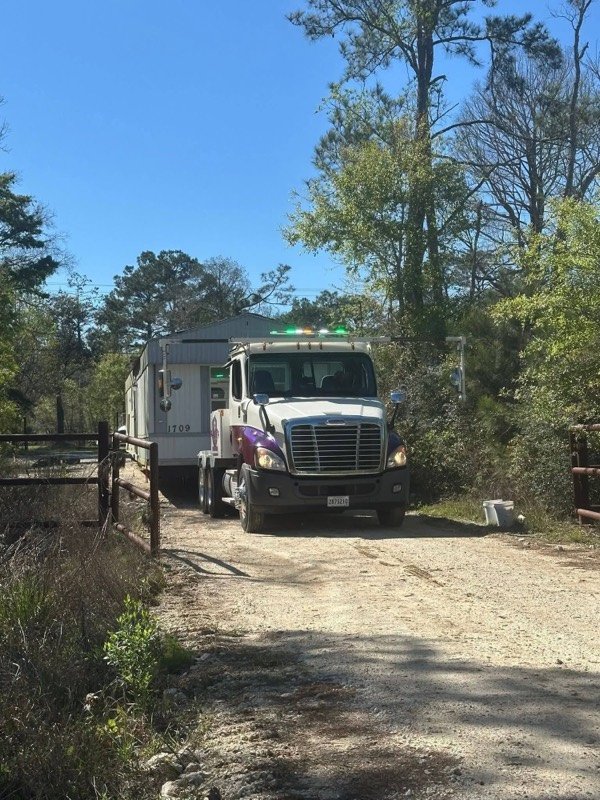
Our DC-area agents and crews live in the suburbs where the homes actually are, because that is where the job happens. They are the people who know that a Prince George’s County inspection schedule runs differently than a Fairfax County one, that Charles County has room and Arlington does not, and that a load crossing from Virginia into Maryland through the District needs three different sets of eyes on the route. Green Mobile Home Transport is headquartered in Lucasville, Ohio, which is where the licensing, the insurance and the interstate authority live. Nobody drives from Ohio to do a Beltway job. Your crew is regional, and one company answers for everything from the first permit to the last tie-down.
- Honest about the District — DC is a permit corridor; homes get sited in the MD and VA counties.
- Three-jurisdiction permitting — DDOT, MDOT SHA and VDOT approvals sequenced as one package.
- Parkways are off limits — NPS parkways bar commercial loads, so routing uses truck routes only.
- Fall Line soils — Coastal Plain sand east, Piedmont clay west, and footings sized accordingly.
- Regional crews, one company — local agents on site, licensed and insured under one name.
Hauling Across District of Columbia
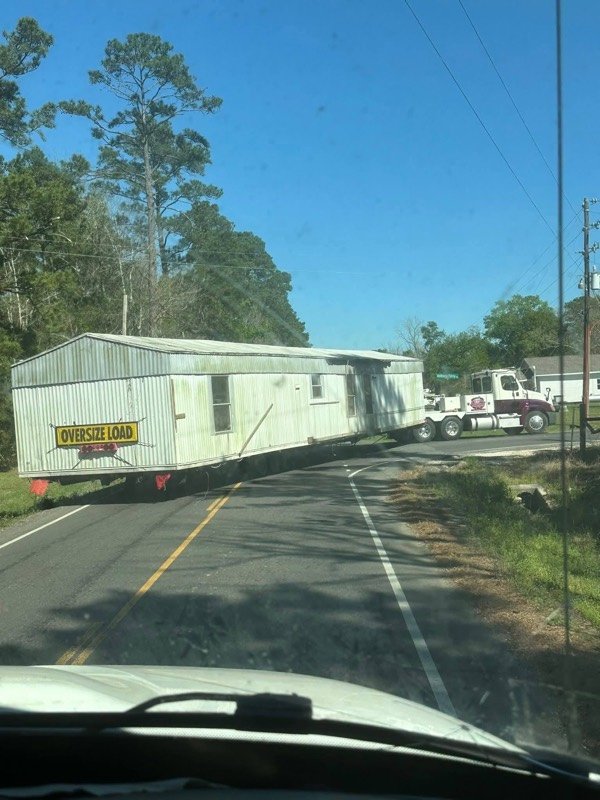
For a manufactured home, Washington is one of the hardest cities on the East Coast to move through and one of the easiest to route around. The National Park Service parkways — Rock Creek, the George Washington Memorial Parkway, Suitland and the Baltimore-Washington Parkway — are closed to commercial vehicles outright. The District maintains a designated truck route network, and a wide load is confined to it. Most metro moves therefore stay on the Capital Beltway, I-95, I-395, US-50 and US-1, with MD-210 and I-66 feeding the outer counties. Crossing the Potomac or the Anacostia means a specific approved bridge, checked for clearance and load before anything is scheduled.
Main corridors we run in DC: I-495 (Capital Beltway), I-95, I-395, US-50, US-1, MD-210 and I-66.
Cities & Towns We Cover in District of Columbia
We regularly move homes in and around Washington (Downtown), Capitol Hill, Anacostia, Columbia Heights, Georgetown and Foggy Bottom — and everywhere in between. If your origin or destination sits anywhere in DC, we can plan a route to it.
- Mobile home moving in Washington (Downtown), DC — Truck-route-only movement under DDOT permit; the District is a corridor, not a site.
- Mobile home moving in Capitol Hill, DC — Federal-area closures and event routing make timing more important than distance.
- Mobile home moving in Anacostia, DC — Soft tidal soils here; any siting east of the river gets a hard look first.
- Mobile home moving in Columbia Heights, DC — Dense rowhouse grid with no practical access for an oversize transport rig.
- Mobile home moving in Georgetown, DC — Narrow historic streets and low clearances; wide loads route well around it.
- Mobile home moving in Foggy Bottom, DC — Bridge approaches and federal traffic control shape every permitted movement.
- Mobile home moving in Silver Spring, MD, DC — Montgomery County side, where Piedmont clay and county inspection rules apply.
- Mobile home moving in Hyattsville, MD, DC — Prince George’s County work, one of the closest real markets to the District.
- Mobile home moving in Waldorf, MD, DC — Charles County on US-301 — open land and much of the region’s siting work.
- Mobile home moving in Alexandria, VA, DC — Virginia side moves permitted through VDOT, with Potomac crossings arranged.
- Mobile home moving in Woodbridge, VA, DC — Prince William County along I-95, a common destination for metro-area homes.
- Mobile home moving in Manassas, VA, DC — Outer Virginia suburbs where lot sizes finally make a home practical to set.
District of Columbia Permits & Oversize-Load Compliance
Inside the District, oversize and overweight vehicle permits are issued by the District Department of Transportation, applied for through its Transportation Online Permitting System. DDOT confirms a route based on the dimensions and weight submitted, and separate public space permitting can come into play when a move touches curb lanes, sidewalks or staging area. Because almost every DC-area move also crosses into Maryland or Virginia, the DDOT permit is usually one of three: MDOT SHA handles the Maryland side, the Virginia Department of Transportation the Virginia side, and the bridge and toll authorities their own crossings. We assemble the whole set and sequence them so nothing expires waiting on something else.
Permit handling is part of the job, not an extra. See what our permit assistance service covers before your DC move.
Setting, Leveling & Anchoring in District of Columbia
Homes in this market are set in the surrounding Maryland and Virginia counties, not in the District, and that is where the foundation work happens. The metro sits in HUD Wind Zone I; Wind Zone II does not begin until you move out toward the lower Chesapeake and the Atlantic coast. The Fall Line runs right through the city, and it matters underfoot. East and south of it — Prince George’s, Charles, southern Anne Arundel — you are on Coastal Plain sands and silts, with soft clays near the Anacostia and the tidal flats. West and north — Montgomery, Fairfax, Loudoun — you get Piedmont clay over saprolite, which holds better but shrinks and swells. Footings go below the frost depth the county enforces.
When to Schedule Your District of Columbia Move
The metro works nearly year round, and the limiting factor is traffic more than weather. Spring and fall are best. Summer brings heat, thunderstorms and thick construction season on the Beltway. Winter is mild, but a single significant snow paralyzes this region for several days and permit-load movement stops with it. Whatever the month, DC-area moves are scheduled around rush hour, which here runs long in both directions, and around the road closures that come with federal events and motorcades.
Complete Mobile Home Services in District of Columbia
A move isn't finished when the home reaches the lot. Across District of Columbia we deliver the full package, all in-house:
- Mobile Home Transport in District of Columbia — Safe and secure transport for single wide, double wide, and sectional homes.
- Setup & Installation in District of Columbia — We set, level, and secure your home the right way from start to finish.
- Permit Assistance in District of Columbia — We handle permits and paperwork so you don't have to.
- Leveling in District of Columbia — Proper leveling for safety, stability, and lasting peace of mind.
- Anchoring & Tie-Downs in District of Columbia — We anchor your home to meet state and local requirements.
District of Columbia Mobile Home Moving FAQs
Effectively no. The District is a dense federal city with essentially no manufactured home communities and very little land where a home could be placed. Manufactured housing in this region sits in the surrounding counties, chiefly Prince Georges and Charles counties in Maryland and Prince William, Stafford and Fauquier counties in Virginia. That is where our DC-area work is actually done.
Because the District sits between Maryland and Virginia. A home moving from one side of the region to the other, or coming up I-95 to a Maryland destination, may need to travel District streets. That requires an oversize or overweight vehicle permit from the District Department of Transportation, applied for through its online permitting system, with an approved route confirmed in advance.
Usually three. The District Department of Transportation covers District streets, the Maryland Department of Transportation State Highway Administration covers the Maryland leg, and the Virginia Department of Transportation covers the Virginia leg. Bridge and toll facilities can add their own approvals. We prepare all of them and sequence the applications so the permits are valid at the same time.
No. The National Park Service parkways in this region, including Rock Creek Parkway, the George Washington Memorial Parkway, Suitland Parkway and the Baltimore-Washington Parkway, are closed to commercial vehicles. Oversize loads are limited to designated truck routes and the interstate system, which is why metro routing leans on the Capital Beltway, I-95, I-395 and US-50.
The DC metro is in HUD Wind Zone I. Wind Zone II begins further out toward the lower Chesapeake and the Atlantic coast. Soils change at the Fall Line, which runs through the city: Coastal Plain sands and soft tidal clays to the east and south, Piedmont clay over weathered rock to the west and north. Pier and footing design follows the actual site.
Get Your Free District of Columbia Quote
If your home is in a community in Prince George’s or Charles County, on land out toward Manassas, or coming into the region from somewhere else, tell us where it starts and where it needs to end up. We will sort out the District, Maryland and Virginia permitting, plan the route and give you a written quote at no cost. Email us and a DC-area agent will pick it up.
Moving across a state line? We also cover mobile home transport in Maryland, mobile home transport in Virginia, mobile home transport in Delaware, mobile home transport in New Jersey, mobile home transport in New York and mobile home transport in Pennsylvania, and every other state in the country.
Mobile Home Moving Guides
Expert tips on costs, permits, and preparing your mobile home for a smooth move.