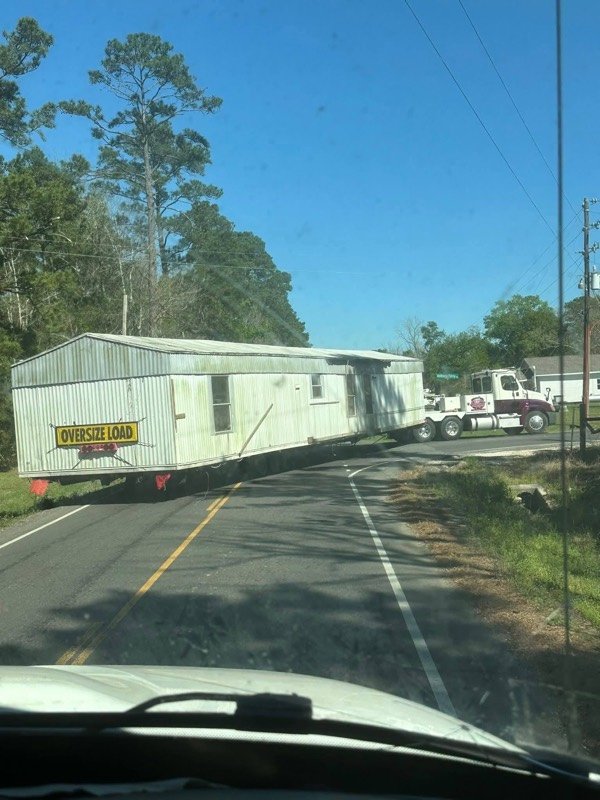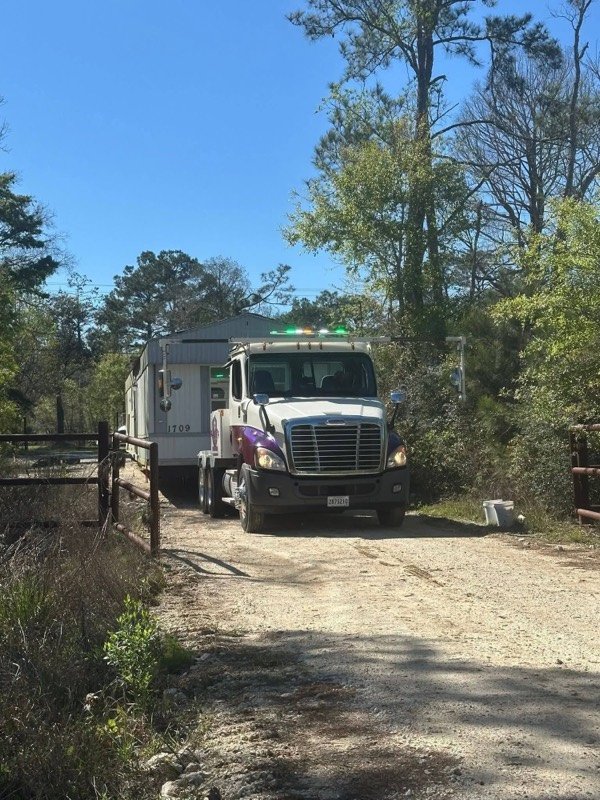
Mobile Home Movers in Utah — Wasatch Front to St. George
From a Wasatch Front park space to a lot outside Moab, we haul the home, pull the permits and set it level. Utah agents, Utah routes, one licensed and insured company behind the whole job.
Most of Utah’s population lives in a narrow strip. The Wasatch Front runs from Ogden through Salt Lake City and Provo, and that is where the park spaces, the traffic and the tight setbacks are. Head south and the picture inverts: Cedar City, St. George and Washington County are growing fast, while Moab, Vernal and the Uinta Basin are long, empty hauls with a lot of daylight between towns. We work both ends of the state.
Local Utah Crews, One National Company
Our office address is 2951 Owl Creek Rd, Lucasville, Ohio. Our Utah work is done by Utah people. The agents and crews who handle your move live here, and it shows in the small things: knowing that a Salt Lake County set needs a different soils conversation than a Washington County set, knowing which canyon UDOT will actually approve for a wide load in February, knowing that a Uintah County job means planning fuel and daylight, not just miles. What Lucasville provides is the backbone — one licensed, insured carrier, one contract, one company that answers for the transport, the permits and the setup instead of pointing at somebody else.
- Soils first — expansive and collapsible ground is mapped here, and it decides the pier plan
- UDOT route clearance — we file early because regions and districts sign off on the route
- Canyon experience — Parleys, Spanish Fork and Sardine are planned for, not discovered
- Southern Utah heat — hauls and sets scheduled around the hottest hours of the day
- Utah crews — local agents on the ground, one licensed and insured company accountable
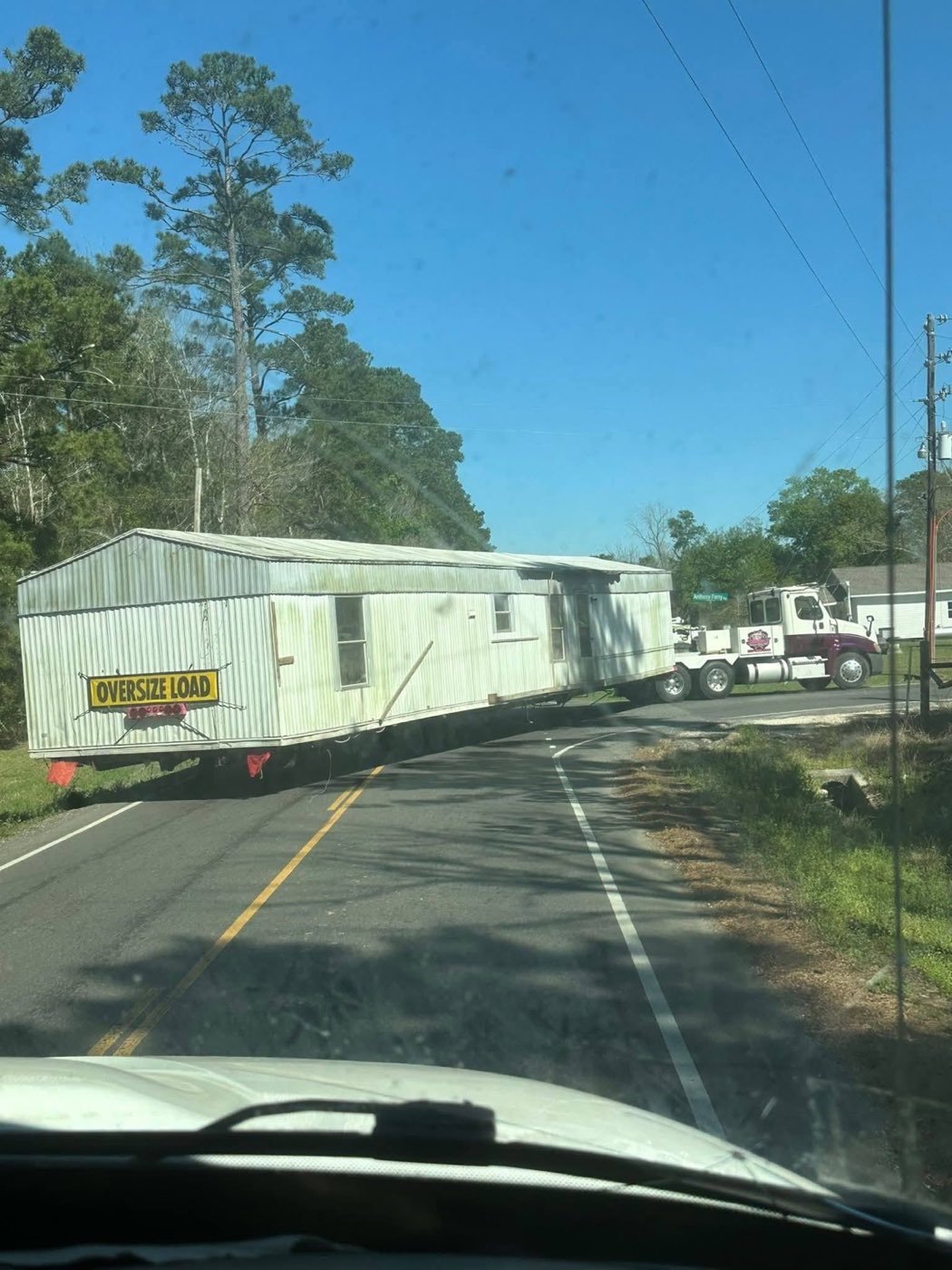
Hauling Across Utah
I-15 is the spine, and for most Utah moves it does most of the work. The complications start when you leave it. I-80 east out of Salt Lake climbs Parleys Canyon toward Park City. US-6 through Spanish Fork Canyon over Soldier Summit is the shortcut to Price and the Book Cliffs, and it is a working truck route with grade, weather and a bad reputation. I-70 west of Green River crosses the San Rafael Swell on the longest stretch of Interstate in the country without motorist services — no fuel, no shade, no help. I-84 carries the Ogden-to-Idaho traffic. Off those, you are on two-lane state routes where a wide load and an oncoming truck do not both fit.
Main corridors we run in UT: I-15, I-80, I-70, I-84, US-6, US-89 and US-191.
Cities & Towns We Cover in Utah
We regularly move homes in and around Salt Lake City, West Valley City, West Jordan, Provo, St. George and Orem — and everywhere in between. If your origin or destination sits anywhere in UT, we can plan a route to it.
- Mobile home moving in Salt Lake City, UT — Dense valley lots and older parks; I-15 and I-80 interchange timing matters
- Mobile home moving in West Valley City, UT — One of the largest concentrations of park spaces in the state
- Mobile home moving in West Jordan, UT — Southwest valley growth with newer communities off Bangerter Highway
- Mobile home moving in Provo, UT — Utah County demand; I-15 access is easy, the last hundred feet often is not
- Mobile home moving in St. George, UT — Washington County boom town — summer sets start before sunrise
- Mobile home moving in Orem, UT — Tight infill lots between Provo and American Fork along the I-15 corridor
- Mobile home moving in Sandy, UT — Southeast valley sites where the ground steepens toward the Wasatch
- Mobile home moving in Ogden, UT — Weber County hub at the I-15 and I-84 split, gateway to the north
- Mobile home moving in Layton, UT — Davis County corridor housing with steady turnover near Hill AFB
- Mobile home moving in Logan, UT — Cache Valley — colder, deeper frost, and Sardine Canyon in the way
- Mobile home moving in Cedar City, UT — Iron County staging point for southern Utah and the high plateaus
- Mobile home moving in Moab, UT — Grand County; US-191 in, long hauls and very little between towns
Utah Permits & Oversize-Load Compliance
Utah oversize and overweight permits go through the UDOT Motor Carrier Division. The application states the dimensions and the proposed route; the division then clears that route with the UDOT regions and districts it crosses before authorizing the move. That extra step is why a Utah route request is worth submitting early rather than the day before. Escort and pilot-car requirements scale with width and with the road you are on, and canyon segments and urban interchanges can pull travel into specific hours. Permits are also sold at ports of entry, which matters on interstate hauls coming in on I-15 or I-80. Our agents handle the filing, the route negotiation and the escorts as part of the job.
Permit handling is part of the job, not an extra. See what our permit assistance service covers before your UT move.
Setting, Leveling & Anchoring in Utah
Utah is HUD Wind Zone I statewide, so the anchoring question here is about what is under the home, not what blows across it. The Utah Geological Survey maps two problem soils we plan around constantly. Expansive clays swell when wet and shrink when they dry, working piers out of plumb over a couple of seasons. Collapsible soils are the opposite trap: strong while dry, then settling suddenly through hydrocompaction the first time they get soaked, and they are common on the young alluvial fans at the base of the Wasatch Range and in southern Utah. Add frost depth that jumps between Cache Valley and Washington County, and a generic pier plan is worthless. We set footings to the site.
When to Schedule Your Utah Move
April through October covers most of it. Spring is good on the Wasatch Front and excellent in the south, where summer heat is the constraint rather than snow — St. George work often starts at first light for that reason. Canyon routes are the seasonal wild card: Parleys, Spanish Fork and Sardine can all go to chains or close on short notice from late fall into spring. If you are moving into or out of the mountains, aim for summer and keep the date flexible.
Complete Mobile Home Services in Utah
A move isn't finished when the home reaches the lot. Across Utah we deliver the full package, all in-house:
- Mobile Home Transport in Utah — Safe and secure transport for single wide, double wide, and sectional homes.
- Setup & Installation in Utah — We set, level, and secure your home the right way from start to finish.
- Permit Assistance in Utah — We handle permits and paperwork so you don't have to.
- Leveling in Utah — Proper leveling for safety, stability, and lasting peace of mind.
- Anchoring & Tie-Downs in Utah — We anchor your home to meet state and local requirements.
Utah Mobile Home Moving FAQs
The UDOT Motor Carrier Division. You submit the load dimensions and a proposed route, and the division coordinates with the UDOT regions and districts along that route to authorize the move. Permits can also be purchased at ports of entry, which is useful on loads entering the state on I-15 or I-80. We file the application and manage the route approval for you.
Yes. Utah falls in HUD Wind Zone I, the inland designation used across the interior West. That does not mean anchoring is casual. Ground conditions and snow load drive the real engineering here, and northern Utah counties carry heavier roof load and deeper frost requirements than the southwest corner. We build the anchoring and blocking plan around the specific site, not the state.
Significantly. The Utah Geological Survey maps both hazards across populated parts of the state. Expansive clay lifts and drops piers with moisture changes. Collapsible soil, common on alluvial fans along the Wasatch Range and in the south, holds up fine until it gets wet and then settles fast. We size and place footings accordingly and re-level after the home has had time to settle in.
Yes. Those jobs are mostly a planning problem rather than a driving problem. Long stretches of US-191, US-40 and I-70 have no services, limited turnarounds and spotty cell coverage, so fuel, escort staging and daylight all get worked out before the truck rolls. We move homes into that country regularly and quote it honestly, including the extra days.
Late spring through early fall is the safe answer statewide. Along the Wasatch Front the constraint is winter weather in the canyons. In St. George and the rest of Washington County the constraint is summer heat, so we shift work to the early morning. Winter moves are possible on the I-15 corridor, but mountain and canyon routes need schedule flexibility.
Get Your Free Utah Quote
Tell us the home — year, size, where it sits, where it is headed — and a Utah agent will put together a real quote with a real date. No charge for the estimate, no obligation, no sales pressure. Write to info@greenmobilehomemoving.com; a Utah agent will walk you through the route, the permit timeline and what the set will involve on your particular lot.
Moving across a state line? We also cover mobile home transport in Idaho, mobile home transport in Wyoming, mobile home transport in Colorado, mobile home transport in New Mexico, mobile home transport in Arizona and mobile home transport in Nevada, and every other state in the country.
Mobile Home Moving Guides
Expert tips on costs, permits, and preparing your mobile home for a smooth move.