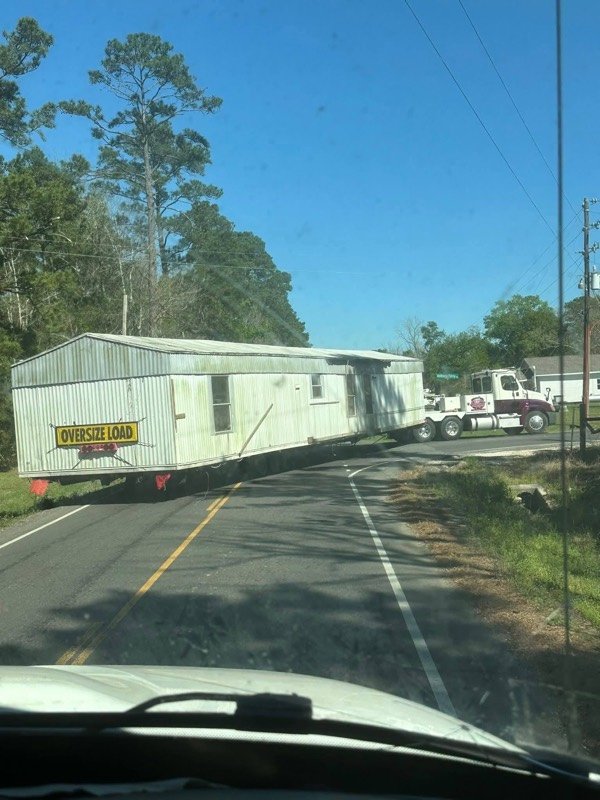
Mobile Home Movers in Idaho — Treasure Valley to the Panhandle
Idaho is two states joined by one highway. Whether your home is going to a Meridian lot or a place outside Sandpoint, our Idaho agents work out the route, clear the permits and level the home on site.
Look at a map of Idaho and the problem is obvious. The south holds the population — Boise, Meridian, Nampa, Caldwell, Twin Falls, Pocatello, Idaho Falls — strung along I-84 and I-86. The panhandle holds Coeur d’Alene, Post Falls, Sandpoint and Lewiston, and it faces Spokane, not Boise. Between them sit the Salmon River mountains and one road. Treasure Valley growth keeps the south busy; the north runs on its own rhythm. We work both.
Local Idaho Crews, One National Company
Corporate sits in Lucasville, Ohio, at 2951 Owl Creek Rd. Our Idaho work belongs to our Idaho agents and crews, and given how this state is laid out, that is not optional. The people handling a Kootenai County set are not the same people handling a Canyon County set, and neither of them should be learning the job from a map. They know the Idaho manufactured home installation standard, they know which counties inspect closely, and they know when a canyon road is going to be full of harvest trucks. All of it sits under one licensed and insured carrier: a single contract, a single point of accountability, and nobody handing you off.
- North and south — separate Idaho crews, because the panhandle is its own operating area
- Grade routing — White Bird and the Lewiston grade planned with escorts and daylight
- Breakup postings — we check current ITD restrictions before committing to a spring date
- Idaho install standard — sets built to the state standard and the local snow load
- Harvest awareness — fall moves scheduled around beet, potato and grain equipment
Hauling Across Idaho
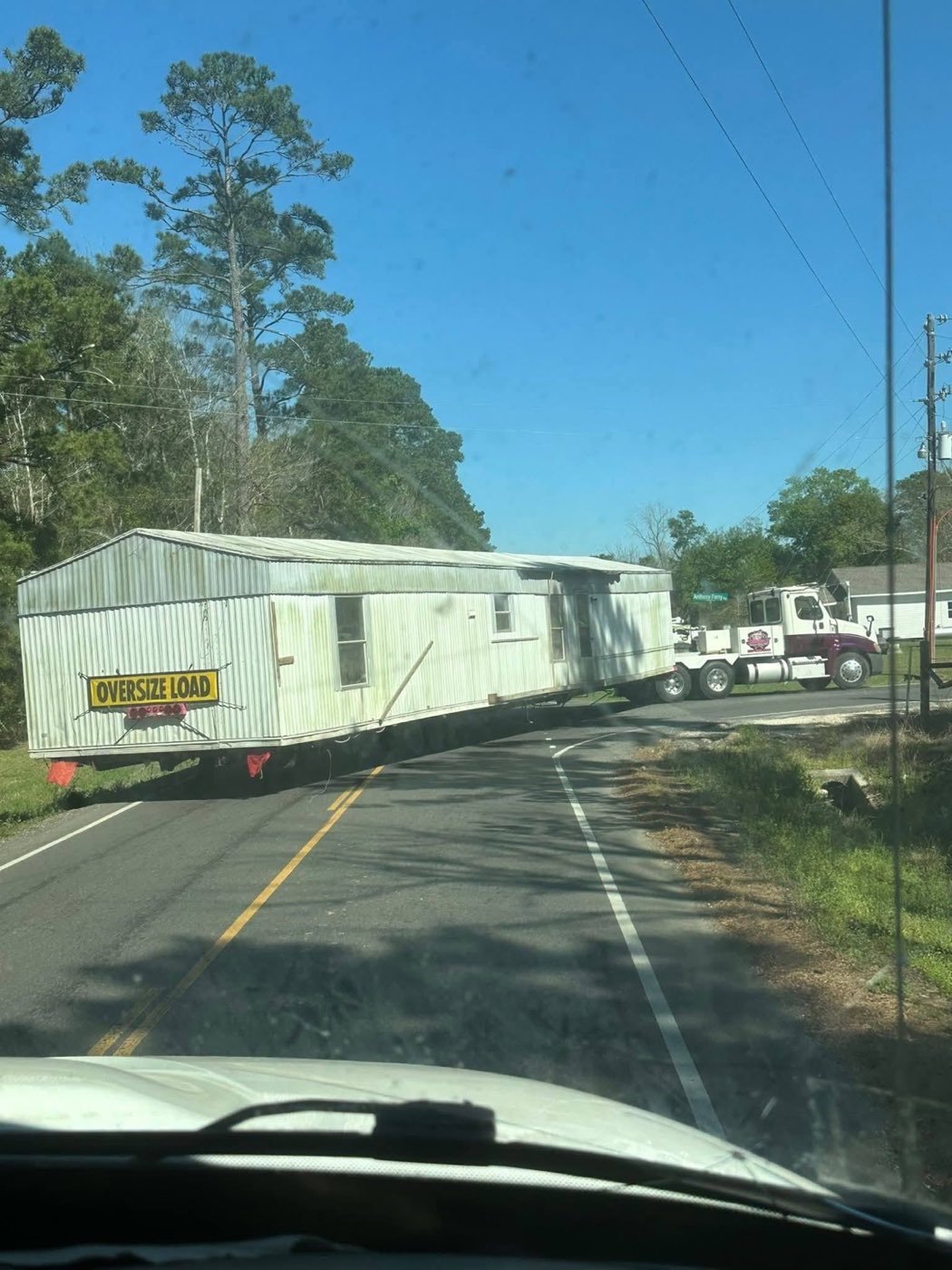
I-84 runs the Snake River Plain from the Oregon line through Boise, Twin Falls and Burley, where I-86 splits toward Pocatello and I-15 heads north to Idaho Falls and the Montana border. Up top, I-90 crosses the panhandle through Coeur d’Alene and over Lookout Pass. The two halves are joined by US-95, the only continuous north-south route in the state and the only road linking the panhandle to the rest of Idaho. It is also the hard one: the White Bird grade climbs roughly 2,700 feet in seven miles on a sustained pitch, and the Lewiston grade drops toward the Clearwater the same way. A wide load takes that slowly, in daylight, with escorts, or it does not take it at all.
Main corridors we run in ID: I-84, I-90, I-86, I-15, US-95, US-93 and US-20.
Cities & Towns We Cover in Idaho
We regularly move homes in and around Boise, Meridian, Nampa, Caldwell, Idaho Falls and Pocatello — and everywhere in between. If your origin or destination sits anywhere in ID, we can plan a route to it.
- Mobile home moving in Boise, ID — Treasure Valley core; older in-town parks with narrow interior lanes
- Mobile home moving in Meridian, ID — The fastest-growing city in the state, with new communities off I-84
- Mobile home moving in Nampa, ID — Canyon County demand and good interstate access from either direction
- Mobile home moving in Caldwell, ID — West Canyon County ag country where harvest traffic shapes the schedule
- Mobile home moving in Idaho Falls, ID — Eastern Idaho hub on I-15, deeper frost and heavier snow load than Boise
- Mobile home moving in Pocatello, ID — Bannock County where I-86 meets I-15, the crossroads of the southeast
- Mobile home moving in Coeur d'Alene, ID — Panhandle growth on I-90; most deliveries route in through Spokane
- Mobile home moving in Twin Falls, ID — Magic Valley center above the Snake River canyon on US-93 and I-84
- Mobile home moving in Post Falls, ID — Kootenai County on the Washington line, first stop coming east on I-90
- Mobile home moving in Lewiston, ID — Clearwater valley at low elevation, reached down a long sustained grade
- Mobile home moving in Rexburg, ID — Upper Snake River Plain; cold winters and busy fall equipment traffic
- Mobile home moving in Sandpoint, ID — North Idaho on US-95 with the heaviest snow load requirements in the state
Idaho Permits & Oversize-Load Compliance
Oversize and overweight permits come from the Idaho Transportation Department, which runs an online commercial permitting system alongside its port-of-entry counters. The permit fixes the route and the conditions — escorts, daylight travel, restricted structures — and on Idaho’s two-lane routes the route review is where the real decisions get made. The seasonal layer here is spring breakup. As frost leaves the roadbed, ITD posts reduced axle limits and reduced speeds on affected highway sections, marked with red and green flags on the load-limit signs. It is weather-driven, not calendar-driven, and it can start as early as February. Our agents check current postings before they promise you a delivery date.
Permit handling is part of the job, not an extra. See what our permit assistance service covers before your ID move.
Setting, Leveling & Anchoring in Idaho
Idaho is HUD Wind Zone I. The variable that actually moves the numbers is elevation and latitude: a Boise Bench lot and a lot outside Sandpoint are not the same set. Snow load and required footing depth both climb as you go north and up, and Idaho leaves the local requirement to the jurisdiction. The state does maintain its own manufactured home installation standard, administered through the Division of Occupational and Professional Licenses, so installers work to a written Idaho document rather than improvising. Soils vary just as widely — loess in the Palouse, basalt close to the surface on parts of the Snake River Plain, silty river bottom in the valleys. We dig, look, and size the footings for what is there.
When to Schedule Your Idaho Move
Late May through October is the clean window. Spring is complicated by breakup postings, which land right when the weather starts looking good. Fall brings a different problem: sugar beet, potato and grain harvest put a lot of slow farm equipment on the same two-lanes a wide load needs, particularly around Burley, Rexburg and the Magic Valley. Winter closes the northern passes and shortens the working day. If your date is flexible, aim for June or early September.
Complete Mobile Home Services in Idaho
A move isn't finished when the home reaches the lot. Across Idaho we deliver the full package, all in-house:
- Mobile Home Transport in Idaho — Safe and secure transport for single wide, double wide, and sectional homes.
- Setup & Installation in Idaho — We set, level, and secure your home the right way from start to finish.
- Permit Assistance in Idaho — We handle permits and paperwork so you don't have to.
- Leveling in Idaho — Proper leveling for safety, stability, and lasting peace of mind.
- Anchoring & Tie-Downs in Idaho — We anchor your home to meet state and local requirements.
Idaho Mobile Home Moving FAQs
Because there is essentially one road. US-95 is the only continuous north-south route in the state and the only highway connecting the panhandle to southern Idaho. It carries serious grades, including the White Bird climb and the Lewiston grade, plus long two-lane sections where a wide load has to work with oncoming traffic. Some north-south moves are actually faster routed out through Washington or Oregon. We quote whichever route is genuinely better.
The Idaho Transportation Department. ITD operates an online commercial permitting system and also issues permits through its ports of entry. The permit specifies the approved route and the conditions that go with it, including escort requirements and daylight travel limits. Local jurisdictions may have their own approvals at the pickup or delivery end. Your Idaho agent files everything and tracks the approved routing.
When frost leaves the roadbed in spring, the ground underneath softens and pavement damages easily. ITD and local agencies post affected highway sections with reduced axle limits and reduced speeds, indicated by red and green flags on the load-limit signs. Restrictions are weather-driven rather than calendar-driven and can begin as early as February. They mostly affect secondary roads, but that often includes the last miles to a rural site.
Idaho is HUD Wind Zone I, the inland designation. Wind rating is rarely the limiting factor on an Idaho installation. Roof load and footing depth are, and both increase sharply as you move north or gain elevation. A home set near Sandpoint faces very different snow requirements than one set in the Treasure Valley. We build the blocking and anchoring plan against the local requirement.
It does in the farming valleys. Through late summer and fall, sugar beet, potato and grain harvest fills the two-lane highways around Burley, Rexburg, Caldwell and the Magic Valley with slow, wide equipment. A permitted wide load and a line of harvest trucks on the same road is a bad combination. We time deliveries around it where we can and adjust the route where we cannot.
Get Your Free Idaho Quote
Send us the home’s size and year, where it sits now and where it is going. An Idaho agent will write back with a firm number and a date that reflects the actual season, not an optimistic one. Estimates cost nothing and carry no obligation. Reach us at info@greenmobilehomemoving.com; we will spell out the routing, the permit timeline and the setup work involved.
Moving across a state line? We also cover mobile home transport in Washington, mobile home transport in Oregon, mobile home transport in Nevada, mobile home transport in Utah, mobile home transport in Wyoming and mobile home transport in Montana, and every other state in the country.
Mobile Home Moving Guides
Expert tips on costs, permits, and preparing your mobile home for a smooth move.