Mobile Home Movers in West Virginia — Grades, Hollows, Posted Bridges
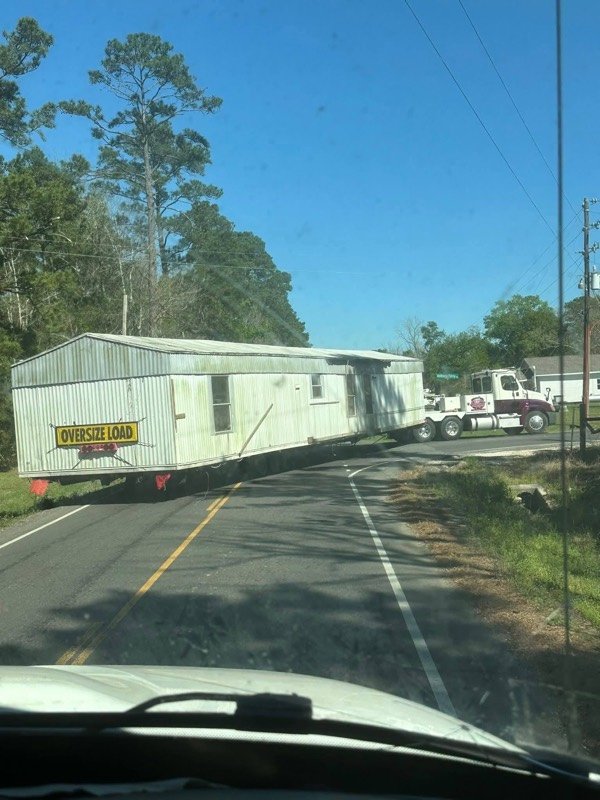
Hauling a manufactured home in West Virginia is a different trade than hauling one on flat ground. Grades, switchbacks, one-lane hollow roads and weight-posted bridges decide the route long before the map does.
There is almost no flat ground in West Virginia and almost no straight road. We move singlewides, doublewides and modular sections through the Kanawha Valley around Charleston, the Ohio River towns from Huntington up to Wheeling, the Mon Valley at Morgantown, the southern coalfields, and the Eastern Panhandle around Martinsburg. Every one of those is a different haul. What decides the job in this state is not mileage. It is grade, curve radius, overhead clearance, and what the bridge on the last two miles is posted for.
Local West Virginia Crews, One National Company
Green Mobile Home Transport is headquartered at 2951 Owl Creek Rd in Lucasville, Ohio, about an hour up the river from Huntington. Close enough to know this state, not close enough to pretend a truck from Ohio should be doing local work. The crews who take your job are our own West Virginia agents and drivers. They have backed a doublewide down a hollow road in Boone County. They know which county roads have been posted since spring and which approach a toter simply cannot make. Behind them sits one licensed, insured interstate carrier handling permits, insurance and scheduling. Local hands, national paperwork, one name on the contract.
- Mountain routing — grade, curve radius and clearance pick the route, not mileage
- Posted bridges — West Virginia leads the nation in deficient bridges; we route around them
- Hollow-road experience — crews who have delivered where a map says it cannot be done
- Frost-depth blocking — footings set below the deepest frost line in the region
- Local crew, one company — in-state agents backed by a licensed, insured carrier
Hauling Across West Virginia
Learn the corridors and you understand the job. I-64 and I-77 share the West Virginia Turnpike between Charleston and Beckley, climbing and dropping the whole way. US-19, Corridor L, cuts north from Beckley across the New River Gorge Bridge and gets used hard by trucks. I-79 runs the spine to Morgantown, and I-68 and I-70 serve the north. US-48, Corridor H, pushes east through the Potomac Highlands, and US-119, Corridor G, is the southern coalfields lifeline. Off those four-lane routes it turns into county roads with no shoulder, switchbacks a long combination cannot take in one bite, and creek crossings. That last two miles is the whole job.
Main corridors we run in WV: I-64, I-77, I-79, I-68, US-19, US-48 and US-119.
Cities & Towns We Cover in West Virginia
We regularly move homes in and around Charleston, Huntington, Morgantown, Parkersburg, Wheeling and Weirton — and everywhere in between. If your origin or destination sits anywhere in WV, we can plan a route to it.
- Mobile home moving in Charleston, WV — Kanawha Valley hub where I-64, I-77 and I-79 meet — our staging point
- Mobile home moving in Huntington, WV — Ohio River flats give the easiest wide-load approach in the state
- Mobile home moving in Morgantown, WV — Steep university-town streets and tight Mon Valley lots
- Mobile home moving in Parkersburg, WV — Mid-Ohio Valley work on river-bottom soils with high water tables
- Mobile home moving in Wheeling, WV — Northern Panhandle; I-70 hill grades and old narrow bridges
- Mobile home moving in Weirton, WV — Squeezed between river and ridge — routing gets decided early
- Mobile home moving in Fairmont, WV — I-79 corridor setups on rolling ground north of Clarksburg
- Mobile home moving in Martinsburg, WV — Eastern Panhandle; flatter, faster work off I-81
- Mobile home moving in Beckley, WV — Top of the Turnpike grade and the gateway to the coalfields
- Mobile home moving in Clarksburg, WV — Harrison County hollows where the last mile is county route
- Mobile home moving in Lewisburg, WV — Greenbrier Valley limestone sits close under the pier footings
- Mobile home moving in Elkins, WV — Potomac Highlands — deepest frost in the state, deepest footings
West Virginia Permits & Oversize-Load Compliance
Permits come from the hauling permit section of the West Virginia Division of Highways, part of the state Department of Transportation, filed through the state online permit system. The permit names the route, and in West Virginia the route is the argument. This state carries more structurally deficient bridges than any other, and a single posted bridge on your county road will send the entire move a long way around. We pull the permit, get the routing approved, arrange escorts where width or sight distance demands them, and work inside the daylight travel windows and holiday restrictions the permit sets. If the approved route will not physically work, we find that out before the day of the move rather than on it.
Permit handling is part of the job, not an extra. See what our permit assistance service covers before your WV move.
Setting, Leveling & Anchoring in West Virginia
All of West Virginia sits in HUD Wind Zone I. That is the easy part. The hard part is under the home. Frost drives deeper here than anywhere else in the region, deepest in the high country around Elkins and the Allegheny front, so footings have to be set below it. Half the lots in this state are cut-and-fill benches on a hillside: the uphill side is shale or sandstone within a shovel of the surface, and the downhill side is loose colluvial fill that will not hold an auger anchor at all. Two conditions on one home means different pier heights, different anchor types, and sometimes engineered footings. In the old coal counties, mine subsidence is worth asking about before anything gets poured.
When to Schedule Your West Virginia Move
Late spring through October. May, June, September and October are the good months: dry roads, open passes, ground you can actually auger. July and August work, but summer thunderstorms wash out county roads and drop trees across them. Avoid January and February if you have any choice. Snow and ice close the mountain routes, the Turnpike grades turn treacherous for a wide load, and frozen ground fights every anchor you try to drive. March brings mud season on unpaved approaches.
Complete Mobile Home Services in West Virginia
A move isn't finished when the home reaches the lot. Across West Virginia we deliver the full package, all in-house:
- Mobile Home Transport in West Virginia — Safe and secure transport for single wide, double wide, and sectional homes.
- Setup & Installation in West Virginia — We set, level, and secure your home the right way from start to finish.
- Permit Assistance in West Virginia — We handle permits and paperwork so you don't have to.
- Leveling in West Virginia — Proper leveling for safety, stability, and lasting peace of mind.
- Anchoring & Tie-Downs in West Virginia — We anchor your home to meet state and local requirements.
West Virginia Mobile Home Moving FAQs
The West Virginia Division of Highways, part of the state Department of Transportation, runs the oversize and overweight hauling permit section, and permits are filed through the state online permit system. The permit includes the approved route and the travel rules that go with it. Because so many West Virginia bridges carry posted weight limits, route approval matters more here than in most states. We handle the filing and the routing.
Usually, but we look first. We drive the last stretch, measure the tight turns, check overhead lines and tree canopy, and study what the approach and the turnaround at the site will take. Sometimes the answer is a shorter tow vehicle or a steer dolly. Sometimes it is clearing a few feet of bank, or setting one section at a time. We tell you which before you commit.
All of West Virginia falls in HUD Wind Zone I, the standard inland rating. No county here carries the Zone II or Zone III designation that coastal states do. Anchoring in West Virginia is therefore driven by soil and slope rather than hurricane exposure. A home built for a coastal wind zone can still be installed here; the reverse does not work if you later move that home to the coast.
Both. Transport, blocking, leveling, anchoring, tie-downs and marriage-line work on multi-section homes are all part of what our crews do. On a West Virginia hillside lot that matters, because the pier heights on the downhill side are often nothing like the uphill side, and the anchor type has to match what is actually in the ground at each corner rather than what was used last time.
January and February. Ice on the Turnpike grades, snow on the secondary routes and frozen ground make both the haul and the setup harder and less safe. Early spring can be worse on unpaved approaches once the mud comes up. Aim for May through October, and if the site is up in the high country, aim for the middle of summer.
Get Your Free West Virginia Quote
Send us the two addresses and what the home is, and we will tell you honestly whether it can get there and what it takes. Somebody who hauls in these hills will look at it, not a call center. The quote is free and comes back by email. If the route will not work, we will say so — that answer is worth more to you than a cheap number and a truck stuck sideways on a switchback.
Moving across a state line? We also cover mobile home transport in Ohio, mobile home transport in Pennsylvania, mobile home transport in Maryland, mobile home transport in Virginia, mobile home transport in Kentucky and mobile home transport in Florida, and every other state in the country.
Mobile Home Moving Guides
Expert tips on costs, permits, and preparing your mobile home for a smooth move.