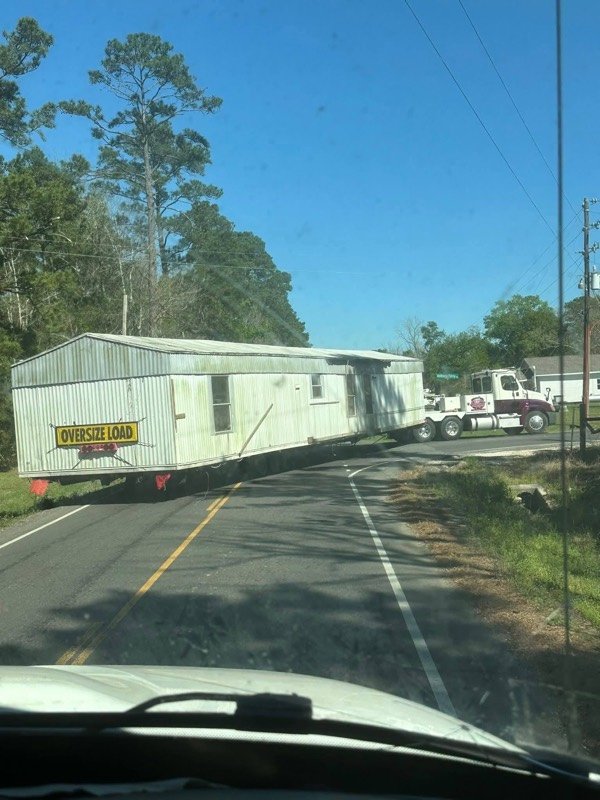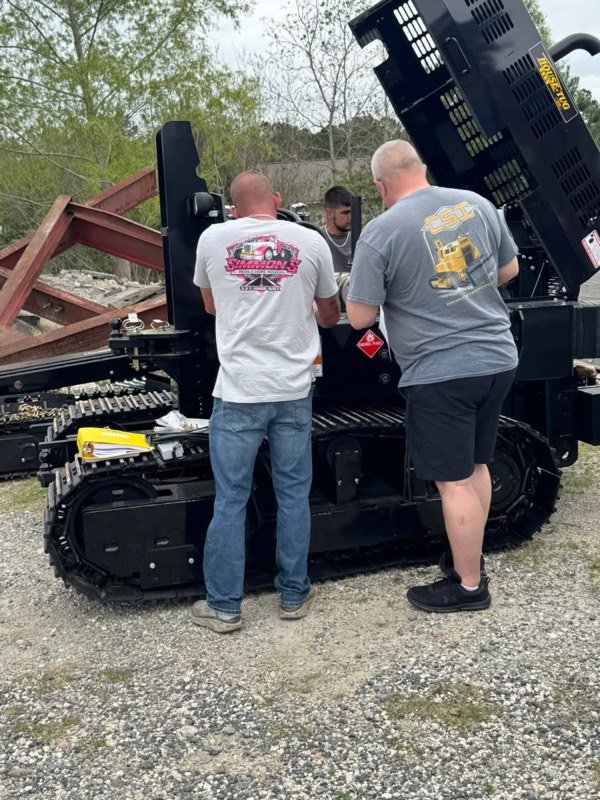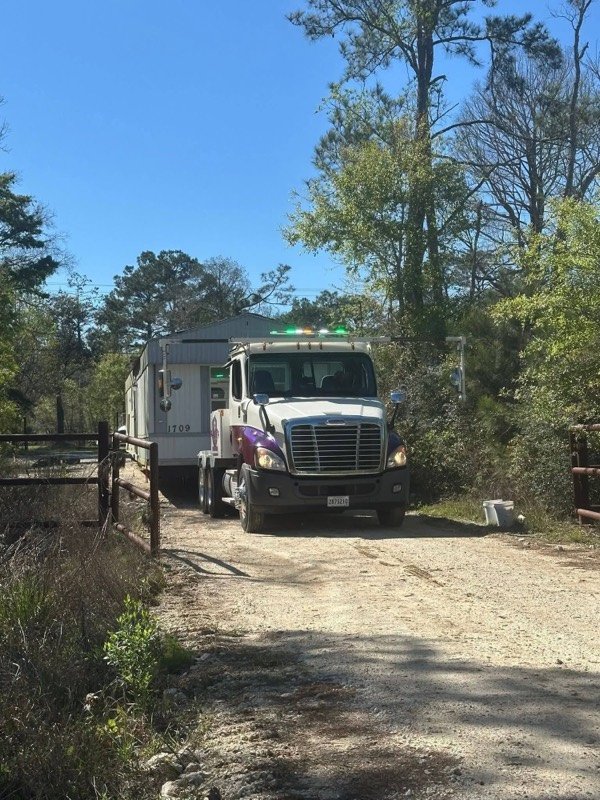
Manufactured Home Movers in Hawaii — Oahu to Kauai
Nothing drives to Hawaii. Every home that arrives from the mainland comes by ocean freight, and moving one between islands means a barge. What we do most here is in-island transport, setup and anchoring.
Manufactured housing is a smaller slice of the housing picture in Hawaii than almost anywhere on the mainland, and the work reflects that. Most of what we handle stays on a single island: relocating a unit on Oahu between Kapolei and the Waianae Coast, moving a home in the Puna and Ka‘u districts of Hawaii Island where prefabricated and off-grid housing is common, or a set outside Kahului or Lihue. Short distances, difficult access, and setup that has to stand up to Pacific weather.
Local Hawaii Crews, One National Company
Our company office is in Lucasville, Ohio. That is a very long way from Hilo, which is precisely why Hawaii work belongs to our own agents and crews who live in the islands. They know which Highways Division district office covers which island, how county road permits stack on top of state highway permits, and what an anchor has to bite into when one lot is old coral fill and the next is hard pahoehoe. Lucasville holds the license, the insurance and the accountability, so you deal with one company rather than a chain of vendors. Nobody is flying out from Ohio to level your home.
- In-island specialists — most of our Hawaii work is moving and setting homes on one island
- Wind Zone III anchoring — tie-downs designed for hurricane uplift, not just for sliding
- Island soils — coral fill, expansive volcanic clay and lava rock each need a different anchor
- District-level permits — filed with the Highways Division office for your island, plus county roads
- Straight answers on shipping — if a mainland move does not pencil out, we will tell you
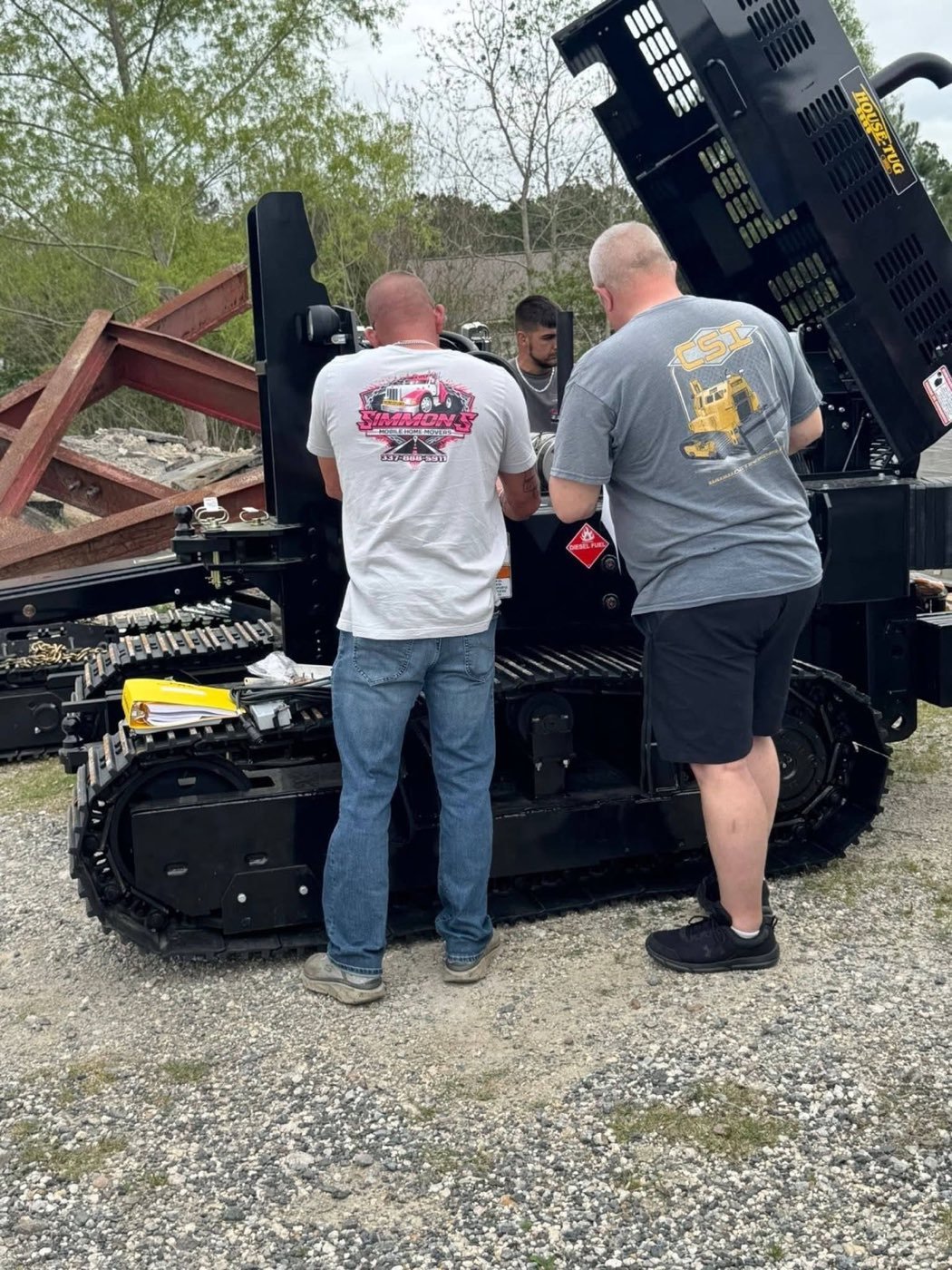
Hauling Across Hawaii
There is no statewide network here, just four separate road systems. Oahu carries the only freeway system in the islands — H-1, H-2 and H-3 — feeding Kamehameha Highway and the Farrington Highway out to the Leeward Coast, and nearly everything funnels through chronic congestion. Hawaii Island is circled by the Hawaii Belt Road as HI-11 and HI-19, with the Daniel K. Inouye Highway crossing the saddle between Mauna Kea and Mauna Loa. Maui runs on Honoapiilani Highway. Kauai runs on Kuhio and Kaumualii. Narrow shoulders, single-lane bridges and steep pali sections limit what can travel, and the thing that kills a move is usually a bridge rather than a mile.
Main corridors we run in HI: H-1, H-2, HI-99 (Kamehameha Highway), HI-93 (Farrington Highway), HI-11 (Hawaii Belt Road), HI-30 (Honoapiilani Highway) and HI-56 (Kuhio Highway).
Cities & Towns We Cover in Hawaii
We regularly move homes in and around Honolulu, Hilo, Kailua-Kona, Kaneohe, Waipahu and Kapolei — and everywhere in between. If your origin or destination sits anywhere in HI, we can plan a route to it.
- Mobile home moving in Honolulu, HI — Congested urban routing; most oversize movements run outside peak hours
- Mobile home moving in Hilo, HI — East Hawaii base and barge port; heavy rainfall year-round
- Mobile home moving in Kailua-Kona, HI — Leeward sets on lava and coral fill; anchors get drilled, not augered
- Mobile home moving in Kaneohe, HI — Windward Oahu clay soils that swell and shrink with the rain
- Mobile home moving in Waipahu, HI — Central Oahu work with tight residential access off Farrington Highway
- Mobile home moving in Kapolei, HI — Fast-growing Leeward side; coastal exposure drives the tie-down plan
- Mobile home moving in Kahului, HI — Maui harbor and staging point for anything arriving by barge
- Mobile home moving in Lihue, HI — Kauai port at Nawiliwili; most island moves begin here
- Mobile home moving in Wailuku, HI — Central Maui sets, often on old cane land with variable fill
- Mobile home moving in Ewa Beach, HI — Coral and calcareous sand; auger capacity gets verified on site
- Mobile home moving in Pahoa, HI — Puna district, where prefabricated and off-grid homes are common
- Mobile home moving in Waianae, HI — Leeward Coast access is one road in and one road out
Hawaii Permits & Oversize-Load Compliance
Movements on state highways are permitted by the Hawaii Department of Transportation Highways Division, and applications go to the district office for that island rather than to one statewide desk — Oahu, Maui County, Hawaii Island and Kauai each have their own. The governing rules sit in Hawaii Administrative Rules chapter 19-104. Applications carry plan and elevation sketches showing wheel arrangement, dimensions and load distribution, plus proof of insurance on file. Routine requests clear quickly at district level; anything unusually large is escalated to headquarters review and takes considerably longer. County roads need county permits, and the building permit for the installation is a county matter as well.
Permit handling is part of the job, not an extra. See what our permit assistance service covers before your HI move.
Setting, Leveling & Anchoring in Hawaii
The whole state is HUD Wind Zone III on the federal Basic Wind Zone Map, the 110 mph category. That is not a formality in a place that took a direct hit from Hurricane Iniki on Kauai in 1992 and sits inside a central Pacific hurricane season running June through November. Anchoring here gets designed for uplift and overturning, not merely for keeping a home from sliding. When any part of the home lands within fifteen hundred feet of the coastline, the federal standard calls for the tougher Exposure D design. Soils argue back: leeward coastal lots are often coral and calcareous sand that holds an auger poorly, central Oahu is deep expansive volcanic clay, and much of Puna is lava rock where you drill rather than auger.
When to Schedule Your Hawaii Move
There is no frozen season to plan around, which makes Hawaii easier than most states, but there is a wet one. Winter Kona storms and heavy rain turn unpaved access on rural lots into a genuine problem, particularly in Puna and upcountry Maui. Hurricane season from June into November occasionally puts a hold on an oversize movement for a few days. Barge schedules are fixed and tighten around holidays. Spring and early summer tend to be the most predictable stretch for both transport and setup.
Complete Mobile Home Services in Hawaii
A move isn't finished when the home reaches the lot. Across Hawaii we deliver the full package, all in-house:
- Mobile Home Transport in Hawaii — Safe and secure transport for single wide, double wide, and sectional homes.
- Setup & Installation in Hawaii — We set, level, and secure your home the right way from start to finish.
- Permit Assistance in Hawaii — We handle permits and paperwork so you don't have to.
- Leveling in Hawaii — Proper leveling for safety, stability, and lasting peace of mind.
- Anchoring & Tie-Downs in Hawaii — We anchor your home to meet state and local requirements.
Hawaii Mobile Home Moving FAQs
No, and neither can anyone else. There is no land route to the islands. Every manufactured or modular home that arrives from the mainland comes by ocean freight, and moving one between islands requires a barge. Practically speaking that means a freight coordination project with sailing schedules, port handling and craning at both ends, planned months in advance rather than weeks.
The entire state is Wind Zone III, the 110 mph category in the federal manufactured home construction standards. It is the same designation applied to south Florida and coastal Alaska. On top of that, the standards call for the stronger Exposure D design when any part of the home sits within fifteen hundred feet of the coastline, which covers a great many lots in these islands.
The Hawaii Department of Transportation Highways Division, though not from one central office. Applications go to the district office covering your island under Hawaii Administrative Rules chapter 19-104, and include sketches of wheel arrangement, dimensions and load distribution along with insurance on file. Movements on county roads need county permits too, and the installation building permit is separate again.
Enormously, and it changes lot to lot. Leeward coastal sites are frequently old coral and calcareous sand, where a standard auger anchor may not develop the capacity a generic plan assumes. Central Oahu and windward slopes carry deep expansive volcanic clay that moves with moisture. Much of Puna on Hawaii Island is lava rock, where anchors are drilled and grouted rather than augered.
Yes, though they are barge jobs rather than driving jobs. Regularly scheduled inter-island freight service links Honolulu with Kahului, Hilo, Kawaihae, Nawiliwili and Kaunakakai, and an oversize unit has to be booked into that schedule. We handle the transport on both ends, the setup and the anchoring, and coordinate the sailing. Expect a longer timeline than a single-island move.
Get Your Free Hawaii Quote
Tell us which island, the two addresses, and what the home is. If it is an in-island move we can quote the transport, the setup, the leveling and the anchoring together. If it is coming from the mainland, we will be straight with you about the ocean freight coordination and the lead time involved before you spend a dollar. Free written quote, by email.
Moving across a state line? We also cover mobile home transport in California, mobile home transport in Alaska, mobile home transport in Washington, mobile home transport in Oregon, mobile home transport in Alabama and mobile home transport in Arizona, and every other state in the country.
Mobile Home Moving Guides
Expert tips on costs, permits, and preparing your mobile home for a smooth move.