Mobile Home Movers in Alaska — Anchorage, Mat-Su and the Kenai
Alaska is not a normal moving market and we will not pretend otherwise. Most of our work here runs on the connected road system. Anything off it means barge or the Alaska Highway, and a far longer planning horizon.
Realistically, Alaska mobile home work happens on the road system. That means Anchorage, the Mat-Su Valley through Wasilla and Palmer, the Kenai Peninsula down to Soldotna and Homer, and the Interior around Fairbanks, North Pole and Delta Junction. Those places are linked by highway, and a home can be hauled between them. Juneau, Sitka, Ketchikan, Kodiak and most village communities are not on that network at all. Moving a home to or from them is a marine freight project rather than a highway job, and it deserves to be described that way from the start.
Local Alaska Crews, One National Company
Green Mobile Home Transport is headquartered in Lucasville, Ohio, roughly four thousand road miles and an international border away from Anchorage. Nobody sensible dispatches a crew that distance for a set in Palmer, and we do not. Alaska work is handled by our own agents and crews based in the state — people who have run the Glenn and the Parks in every season, dealt with the Commercial Vehicle Customer Service Center, and set homes on ground that moves when it thaws. The Ohio office carries the licensing, the insurance and the single point of accountability. The knowledge that keeps a home level through a Fairbanks winter is local, and it has to be.
- Road system honesty — we tell you upfront whether yours is a highway job or a barge job
- Breakup planning — we schedule around DOT&PF spring weight restrictions, not against them
- Permafrost-aware setup — footings and blocking designed for ground that heaves and thaws
- Two wind zones — coastal sites get Zone III anchoring, Interior sites get Zone I
- In-state crews — Alaskans doing the work, one licensed and insured company behind them
Hauling Across Alaska
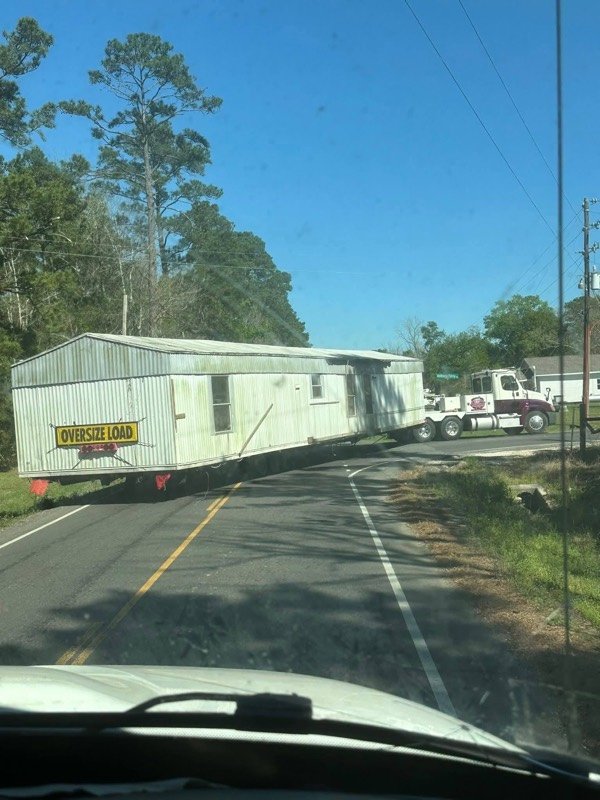
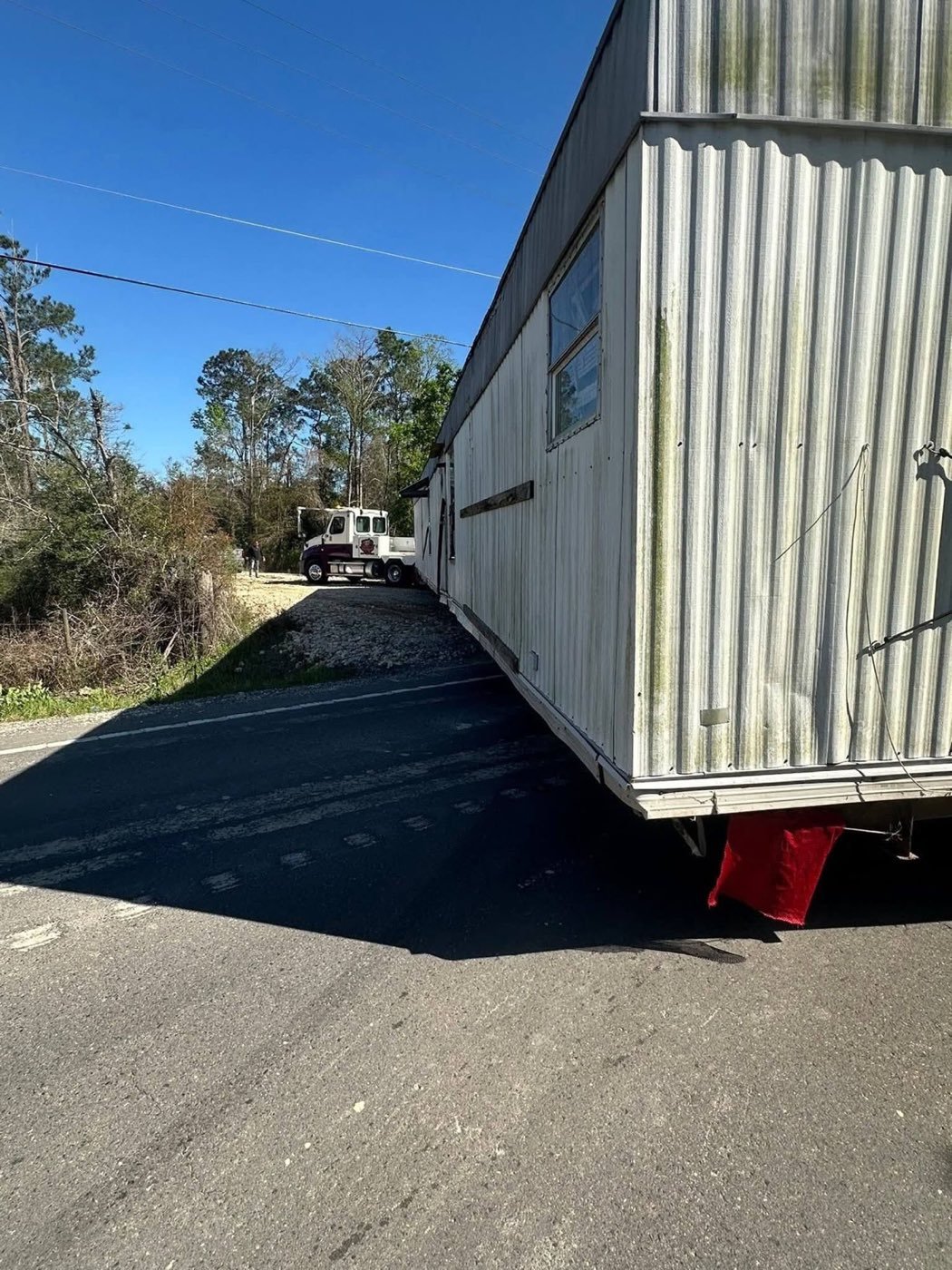
The connected road system is short by Lower 48 standards and there is usually only one way to go. The Glenn Highway links Anchorage to Palmer and on to Glennallen. The Parks Highway runs north through Wasilla and Denali to Fairbanks. The Seward and Sterling Highways drop down the Kenai to Seward, Soldotna and Homer. The Richardson ties Valdez to Fairbanks, and the Alaska Highway is the only land link out of the state, through Yukon and British Columbia. No redundancy means a slide, a washout or a bridge restriction leaves no detour. Grades, frost heaves and long unlit stretches all shape how fast an oversize load can honestly travel.
Main corridors we run in AK: Glenn Highway (AK-1), Parks Highway (AK-3), Seward Highway, Sterling Highway, Richardson Highway (AK-4) and Alaska Highway (AK-2).
Cities & Towns We Cover in Alaska
We regularly move homes in and around Anchorage, Fairbanks, Juneau, Wasilla, Palmer and Kenai — and everywhere in between. If your origin or destination sits anywhere in AK, we can plan a route to it.
- Mobile home moving in Anchorage, AK — Road system hub; nearly every in-state haul starts, ends or passes through
- Mobile home moving in Fairbanks, AK — Interior work over discontinuous permafrost and very deep seasonal frost
- Mobile home moving in Juneau, AK — No road link to the rest of Alaska — homes arrive by barge
- Mobile home moving in Wasilla, AK — Mat-Su Valley moves off the Parks Highway; long lots, deep frost
- Mobile home moving in Palmer, AK — Short Glenn Highway hauls; farm ground with variable bearing
- Mobile home moving in Kenai, AK — Peninsula work down the Sterling Highway; coastal wind exposure
- Mobile home moving in Soldotna, AK — Central Kenai staging point for most peninsula sets
- Mobile home moving in Eagle River, AK — Anchorage-area sets with steep access roads off the Glenn
- Mobile home moving in Homer, AK — End of the Sterling Highway; Wind Zone III coastal anchoring
- Mobile home moving in North Pole, AK — Fairbanks-area lots where footing depth is the whole conversation
- Mobile home moving in Ketchikan, AK — Island community reached only by barge or ferry, never by road
- Mobile home moving in Delta Junction, AK — Where the Alaska Highway meets the Richardson; long-haul waypoint
Alaska Permits & Oversize-Load Compliance
Oversize and overweight permits come from the Alaska Department of Transportation and Public Facilities, through the Commercial Vehicle Customer Service Center inside its Measurement Standards and Commercial Vehicle Enforcement division. Legal dimensions are set in state regulation and permits are applied for online. The larger scheduling factor here is seasonal: DOT&PF posts spring weight restrictions region by region as the road base thaws, and those can sharply cut allowable gross weight for weeks at a stretch. Any move leaving the state by road adds Canadian permitting through British Columbia and Yukon plus customs clearance in both directions. Borough and municipal approvals apply on local streets, and the installation permit is separate again.
Permit handling is part of the job, not an extra. See what our permit assistance service covers before your AK move.
Setting, Leveling & Anchoring in Alaska
Wind zone here is not one answer. Coastal Alaska sits in HUD Wind Zone III on the federal Basic Wind Zone Map, drawn along the 90 mph isotach, while the Interior is Wind Zone I. A home going to Homer or Seward is a different anchoring problem from one going to North Pole, and the design has to reflect that. Ground is the other half. Discontinuous permafrost runs through much of the Interior, and a foundation that traps heat can thaw the soil under it and settle unevenly for years afterward. Seasonal frost drives far deeper than anywhere in the contiguous states, so footing depth, pier design and a realistic re-leveling schedule all have to account for heave rather than bearing alone.
When to Schedule Your Alaska Move
The window is short and everyone competes for it. Spring breakup, roughly March into June depending on region, brings posted weight restrictions and soft road base — the worst possible time to move something heavy. Late June through September is the working season, and it fills up. Winter travel is possible on frozen, stable road base, but daylight is scarce, equipment fights the cold, and setting a home on frozen ground stores up problems that surface at thaw. Book Alaska work months out, not weeks.
Complete Mobile Home Services in Alaska
A move isn't finished when the home reaches the lot. Across Alaska we deliver the full package, all in-house:
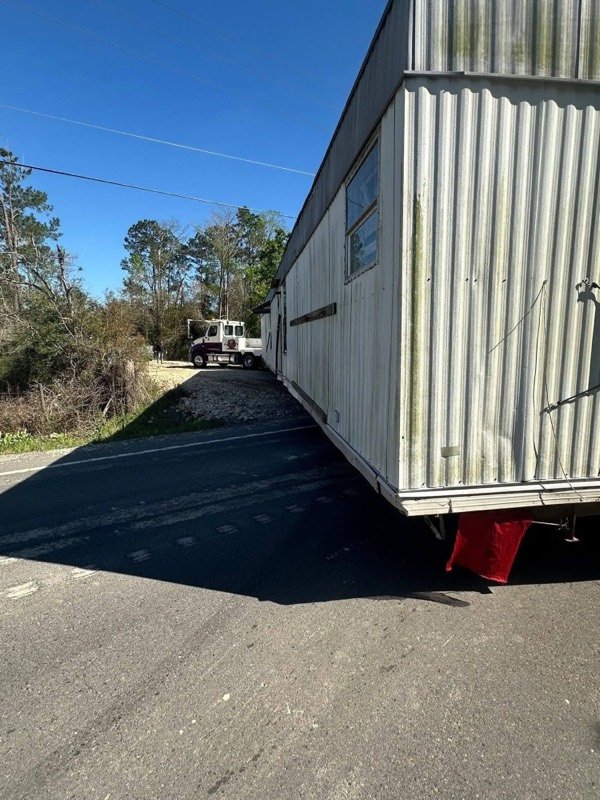
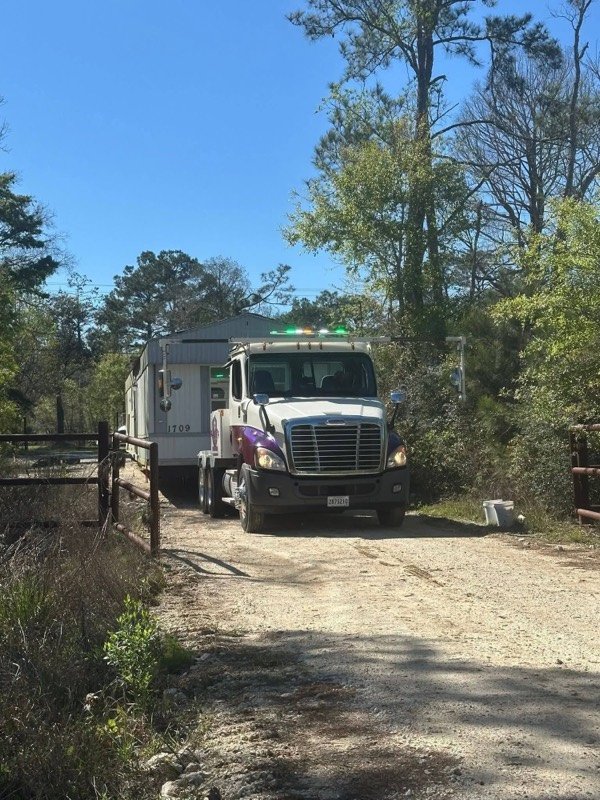
- Mobile Home Transport in Alaska — Safe and secure transport for single wide, double wide, and sectional homes.
- Setup & Installation in Alaska — We set, level, and secure your home the right way from start to finish.
- Permit Assistance in Alaska — We handle permits and paperwork so you don't have to.
- Leveling in Alaska — Proper leveling for safety, stability, and lasting peace of mind.
- Anchoring & Tie-Downs in Alaska — We anchor your home to meet state and local requirements.
Alaska Mobile Home Moving FAQs
It is possible, but it is not a routine haul and we will say so before you commit to anything. There are two paths: ocean barge out of Washington, or a road trip of well over two thousand miles up through British Columbia and Yukon on the Alaska Highway, with Canadian permits and customs clearance in both directions. Either way the lead time runs in months, and buying a home already in Alaska is often cheaper.
Not by road, because there is no road. Those Southeast Alaska communities are reached by barge and ferry only, and commercial barge lines plus the Alaska Marine Highway are how anything oversize gets there. That makes it a marine freight coordination job with fixed sailing schedules, port handling at both ends, and a much longer timeline than a highway move. We will help you scope it honestly.
Late June through September. Spring breakup, which lands somewhere between March and June depending on the region, weakens road base and triggers posted seasonal weight restrictions that can sharply cut what a rig is allowed to carry. Winter road base is often solid, but daylight is short and setting a home on frozen ground stores up leveling problems for spring.
Both extremes. The federal Basic Wind Zone Map places coastal Alaska in Wind Zone III, the same category as Hawaii and south Florida, using the 90 mph isotach as the boundary. Interior Alaska is Wind Zone I. So a home in Homer or Kodiak needs a substantially stronger anchoring design than an identical home sitting in North Pole.
Discontinuous permafrost is common through the Interior. If a foundation traps heat, it can thaw the frozen soil beneath it, and that soil loses volume and bearing capacity as it goes. The result is slow, uneven settlement over several years. Combined with seasonal frost that penetrates far deeper than anything in the contiguous states, footing depth and pier design earn real attention here.
Get Your Free Alaska Quote
If your move is on the road system, tell us the two locations and the details of the home and we will quote it straight. If it involves a barge or a run down the Alaska Highway, tell us anyway — we will lay out what that actually takes and what it will not be, which is quick. A free written quote and an honest timeline, by email.
Moving across a state line? We also cover mobile home transport in Washington, mobile home transport in Oregon, mobile home transport in Hawaii, mobile home transport in California, mobile home transport in Alabama and mobile home transport in Arizona, and every other state in the country.
Mobile Home Moving Guides
Expert tips on costs, permits, and preparing your mobile home for a smooth move.