Mobile Home Movers in Illinois — Chicagoland to Little Egypt
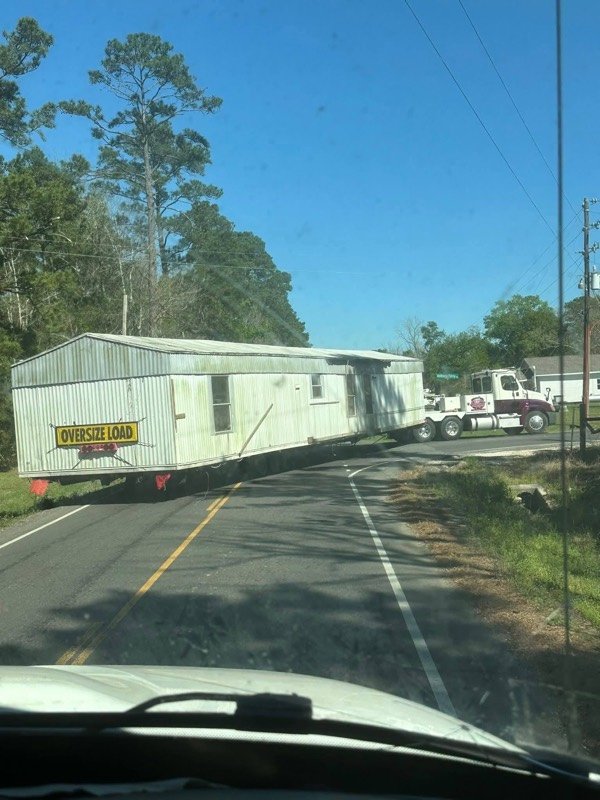
Illinois runs nearly four hundred miles north to south, and the job changes the whole way down. Our Illinois crews handle transport, setup, leveling and anchoring, and they route around Chicago congestion and downstate thaw alike.
There is no single Illinois market. Chicago and the collar counties are one world: dense, expensive, heavily regulated, full of older parks with tight interior roads. Rockford and the Quad Cities are another. Then the corn belt opens up through Bloomington, Peoria, Champaign, Decatur and Springfield, and by the time you reach Marion and Carbondale you are in the Shawnee Hills, closer to Kentucky than to the Loop. We move manufactured homes in every part of it.
Local Illinois Crews, One National Company
Illinois work goes to our own agents and crews based in the state, and we split it the way the state splits itself. The crews who work Cook, DuPage, Will, Lake and Kane counties are used to municipal approvals, rail crossings, viaduct clearances and neighbors who phone the village about a wide load sitting overnight. The crews downstate are used to gravel section-line roads, grain traffic and quarter-mile approaches. Both answer to the same company — Green Mobile Home Transport of Lucasville, Ohio, which carries the license and the insurance that moving oversize loads between states requires — so whichever half of Illinois you are in, one outfit is on the hook for the whole job.
- Two Illinois markets, one company — metro crews and downstate crews, both ours, both accountable.
- IDOT and Tollway permits — filed through the state permit system plus the separate Tollway authorization.
- Local approvals chased — village, city and county clearance for the last stretch to the pad.
- Prairie clay handled — pads and piers sized for soil that swells wet and shrinks dry.
- 1,000+ homes moved — a licensed, insured oversize carrier running nationwide.
Hauling Across Illinois
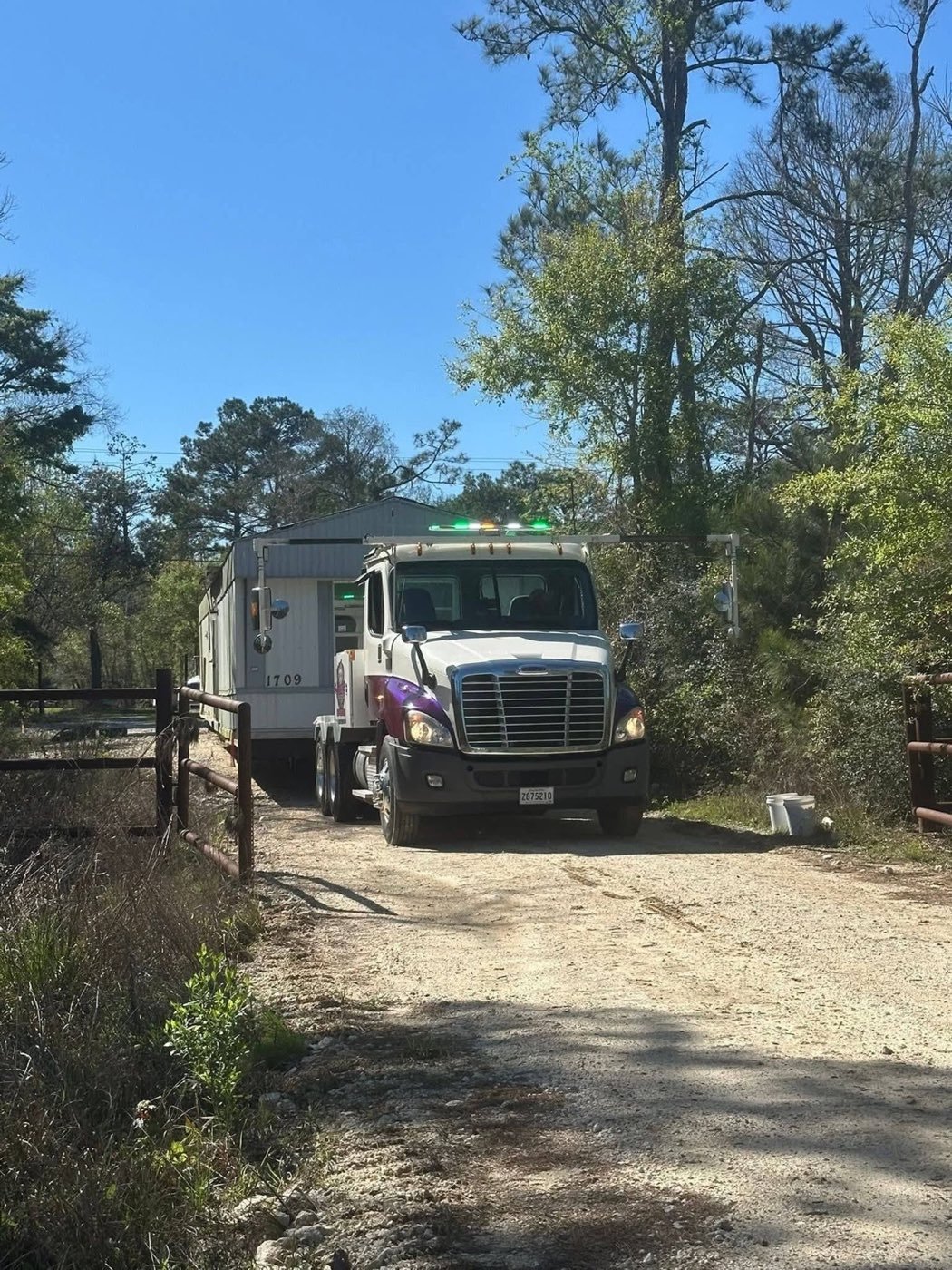
Illinois is flat, which people mistake for easy. What it really is, is congested at the top and long at the bottom. I-80, I-88 and I-90 carry the Chicago-area wide loads, and every one of them has a construction season and a rush hour that no permit will excuse you from. I-55 and I-57 run the length of the state, I-74 and I-72 cross it, and I-70 cuts the bottom third toward St. Louis. Downstate the pinch points are not interstates at all. They are one-lane county bridges, low rail underpasses and field entrances that were never built for anything the width of a house.
Main corridors we run in IL: I-55, I-57, I-70, I-74, I-80, I-90 and US-51.
Cities & Towns We Cover in Illinois
We regularly move homes in and around Chicago, Aurora, Naperville, Joliet, Rockford and Springfield — and everywhere in between. If your origin or destination sits anywhere in IL, we can plan a route to it.
- Mobile home moving in Chicago, IL — City and inner-suburb moves governed by municipal approval and viaduct height.
- Mobile home moving in Aurora, IL — Fox Valley parks with tight interior lanes and short turning radii.
- Mobile home moving in Naperville, IL — DuPage County sites where scheduling is dictated by traffic windows.
- Mobile home moving in Joliet, IL — Will County corridor crossed by heavy rail and intermodal traffic.
- Mobile home moving in Rockford, IL — Northern Illinois freezes deep; footings are set to the local code depth.
- Mobile home moving in Springfield, IL — Sangamon County land-home work with long rural approaches off I-55.
- Mobile home moving in Peoria, IL — Illinois River bluffs that put real grade into an otherwise flat state.
- Mobile home moving in Elgin, IL — Kane County suburbs where village permits set the delivery window.
- Mobile home moving in Champaign, IL — Deep prairie clay that swells and shrinks; blocking has to account for it.
- Mobile home moving in Bloomington, IL — Central corn belt sites reached off I-55, I-74 and gravel section roads.
- Mobile home moving in Decatur, IL — Macon County farm ground with soft field entrances during spring thaw.
- Mobile home moving in Carbondale, IL — Shawnee Hills country in the far south, with grade and old mine ground.
Illinois Permits & Oversize-Load Compliance
Permits for oversize and overweight movement on state highways come from the Illinois Department of Transportation, filed through the Illinois Transportation Automated Permit system. IDOT reviews the request against bridge tolerances, vertical clearances and active construction before approving a route, and the permit arrives with its own conditions on escorts, travel timing and validity. The Illinois Tollway is a separate authority that permits its own roads and wants the IDOT permit in hand first. Municipalities and counties add a third layer for local streets, and in the Chicago area that layer is often the one that decides the schedule. We chase all three so you are not calling three offices.
Permit handling is part of the job, not an extra. See what our permit assistance service covers before your IL move.
Setting, Leveling & Anchoring in Illinois
Illinois is HUD Wind Zone I, but the state also sits squarely in tornado country, and that shows up in how the tie-downs are installed rather than in the wind rating on the data plate: correct anchor for the soil, correct spacing, torqued to specification and verified. The ground handles the rest of the argument. Central Illinois prairie soil is deep and rich in fine clay that swells wet and shrinks dry, which will walk a poorly blocked home out of level in one season. Northern Illinois freezes deeper than the south, so footing depth follows local code rather than habit. Southern Illinois adds slope and, in places, old undermined ground.
When to Schedule Your Illinois Move
Late spring through fall is the practical season. March and early April are thaw months, when secondary roads soften and posted limits appear without much notice. Summer is good but it is also construction season on the Chicago-area interstates, which tightens the windows a wide load is allowed to use. Winter moves get done, especially downstate once the ground firms up, though a lake-effect band off Lake Michigan can shut the northeast corner down for a day at a time. September and October are the quiet, reliable months.
Complete Mobile Home Services in Illinois
A move isn't finished when the home reaches the lot. Across Illinois we deliver the full package, all in-house:
- Mobile Home Transport in Illinois — Safe and secure transport for single wide, double wide, and sectional homes.
- Setup & Installation in Illinois — We set, level, and secure your home the right way from start to finish.
- Permit Assistance in Illinois — We handle permits and paperwork so you don't have to.
- Leveling in Illinois — Proper leveling for safety, stability, and lasting peace of mind.
- Anchoring & Tie-Downs in Illinois — We anchor your home to meet state and local requirements.
Illinois Mobile Home Moving FAQs
Usually yes. The Illinois Department of Transportation permits movement on state highways through its automated permit system. The Illinois Tollway is a separate authority with its own permit for its own roads, and it expects the IDOT permit first. City and county roads add another approval. A single move in the Chicago area can involve all three, and we handle each filing as part of the job.
Access, not distance. In Cook and the collar counties the constraints are viaduct clearance, rail crossings, permitted travel windows, parking restrictions and municipal sign-off. Downstate the constraints are a narrow county bridge, a soft field entrance or a half-mile gravel approach. Our metro crews and our downstate crews are different people for that reason, and both are ours.
Illinois is HUD Wind Zone I. That is the design classification for the home, and it is not an excuse for casual anchoring in a state with the tornado history Illinois has. We install the anchor type suited to the soil at your site, at the spacing the instructions call for, torqued to specification, and we recheck it after the home has settled through its first season.
That deep, dark prairie soil holds a lot of fine clay, and fine clay moves with moisture. It swells after a wet spring and shrinks in a dry August. A home blocked on undersized pads will be visibly out of level within a year, with doors that stick and cracked drywall to prove it. We size footings to the actual bearing soil and come back to re-level after settlement.
March and early April. The frost is coming out, secondary roads soften, and local authorities post limits on short notice. Midsummer is workable but Chicago-area construction narrows the travel windows a permitted wide load can use. If you have flexibility, September and October give you firm ground, open roads and manageable weather.
Get Your Free Illinois Quote
Send us the home, the address it is leaving and the address it is going to, and our Illinois crew will work out the route, the permits and the setup and give you a straight number. There is no charge for the quote and no follow-up campaign afterward. Email reaches the office and the office reaches the crew. That is the whole chain, and it is short on purpose.
Moving across a state line? We also cover mobile home transport in Wisconsin, mobile home transport in Iowa, mobile home transport in Missouri, mobile home transport in Kentucky, mobile home transport in Indiana and mobile home transport in Michigan, and every other state in the country.
Mobile Home Moving Guides
Expert tips on costs, permits, and preparing your mobile home for a smooth move.